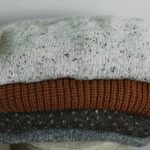
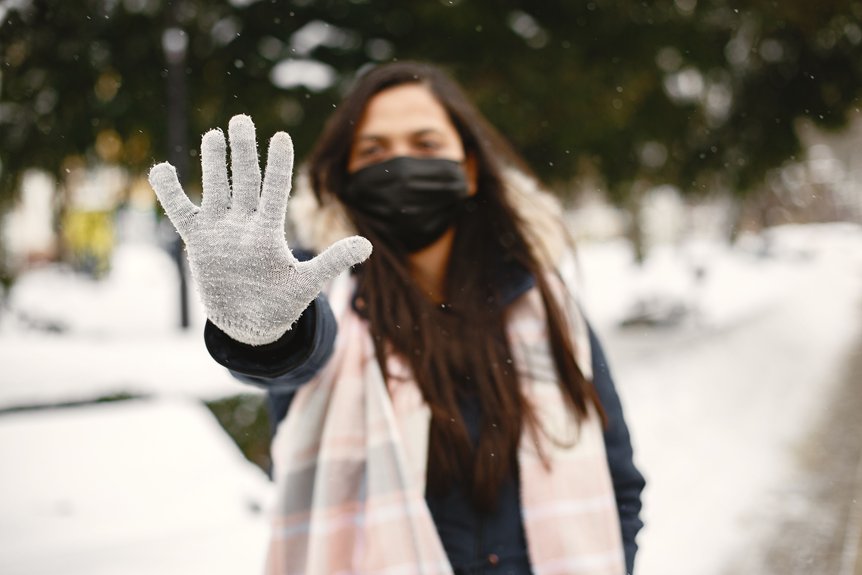
I’ve learned that Aspen’s intense weather demands a solid foundation: moisture-wicking base layers pull sweat away, insulating mid-layers like fleece or merino wool trap heat, and a waterproof shell with taped seams handles sudden storms. Don’t forget winter boots with rubber-studded soles for icy streets, plus gloves, a warm hat, and a neck warmer for extremities. This layering system keeps you comfortable whether you’re downtown or on the slopes, and understanding how these pieces work together improves your whole experience.
Base Layers: Essential Foundation for Mountain Warmth
When you’re heading to Aspen, base layers are your first line of defense against the cold, and I’ve learned they’re non-negotiable if you want to stay warm and dry throughout the day. I always start with thermal leggings and matching tops made from merino wool or synthetic materials—never cotton, which traps moisture and leaves you feeling clammy. These lightweight base layers fit snugly under your ski pants and jacket without adding bulk, and they regulate temperature as mountain conditions shift rapidly. I’ve found that wearing matching sets prevents gaps at your waist and wrists. When you’re active on the slopes, quality base layers wick sweat away efficiently, keeping you comfortable and warm. That’s why I consider them the foundation of every successful Aspen outfit.
Waterproof Outer Shell: Your First Defense Against Snow and Wind
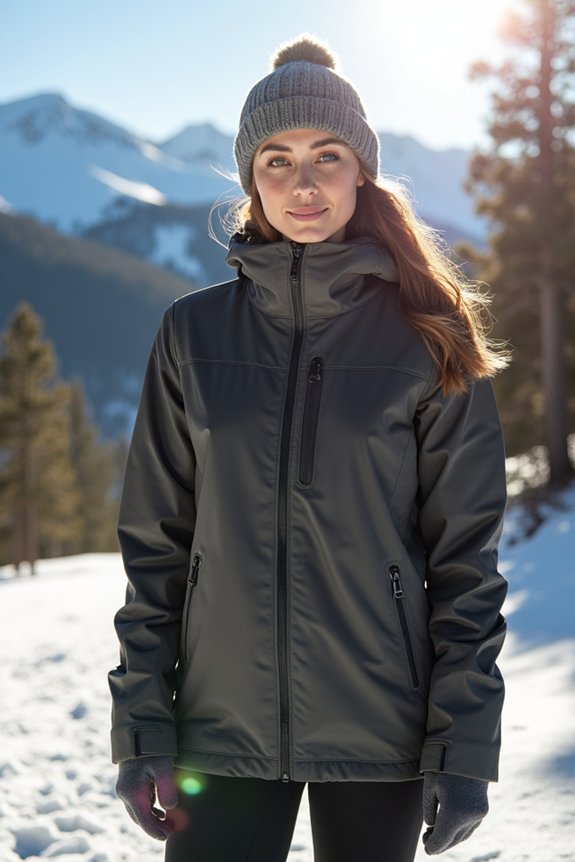
I’ve learned that a quality waterproof shell isn’t just about staying dry—it’s your entire winter strategy working together, so you’ll want to focus on sealed seams and DWR coatings that actually last through repeated use on the slopes. When you layer your shell over insulated mid-layers, you’re creating a system that keeps you warm without making you feel bulky, and breathable fabrics let sweat escape so you won’t get that clammy feeling halfway through a run. Pick a versatile color like navy or black, and you’ll blend smoothly into Aspen’s casual vibe while knowing you’re protected from sudden mountain storms.
Jacket Quality and Durability
How’s your current jacket holding up in Aspen’s unpredictable weather? Investing in a quality waterproof jacket with taped seams is important when conditions shift from sunny to snowy in hours.
A well-constructed shell stops water from seeping through seams where two fabric pieces meet. Look for jackets rated for extended exposure, which means they’re built to handle Aspen’s intense conditions without failing. The taped seams prevent water intrusion during wet snow and slushy days—something worth testing repeatedly on the slopes.
Durability matters because you’re wearing this jacket constantly. Multi-layer systems offer versatility too, letting you add or remove insulation as temperatures swing between day and night. Your jacket should feel comfortable and allow room for layering, not restrict movement. That’s what keeps you protected and comfortable all season long.
Waterproof Technology Features
Your waterproof outer shell is the barrier between you and Aspen’s relentless snow and wind, and it’s doing far more work than you’d think. Look for fabrics rated at least 10,000 mm waterproof with 5,000 g/m²/24h breathability—that balance keeps you dry without trapping sweat. Sealed seams, reinforced zippers, and watertight pockets prevent moisture from sneaking in during slushy days on the slopes. You’ll want ventilation zips and adjustable cuffs that let you regulate heat as mornings turn cold and afternoons warm up. Pair your shell with water-resistant gloves and waterproof pants for complete protection. When you’re layered correctly with these features working together, you stay comfortable whether you’re hiking town or carving powder.
Layering With Your Shell
Since your waterproof shell is doing the work against Aspen’s snow and wind, what you wear underneath matters just as much as the shell itself. I’ve found that pairing your shell with insulating mid-layers—like fleece or down jackets—keeps you warm when temperatures swing throughout the day. The insulation traps heat while your shell blocks moisture and cold air.
Here’s what I’ve learned: choose mid-layers that compress easily so they fit smoothly under your shell without bunching at the cuffs or shoulders. Fleece works great for active days since it allows air circulation, and down provides serious warmth for standing around. Your waterproof shell needs breathable fabric and taped seams to let sweat escape while staying dry. This combination keeps you prepared, comfortable, and ready for anything Aspen throws your way.
Insulating Mid-Layers: Trapping Heat Without the Bulk
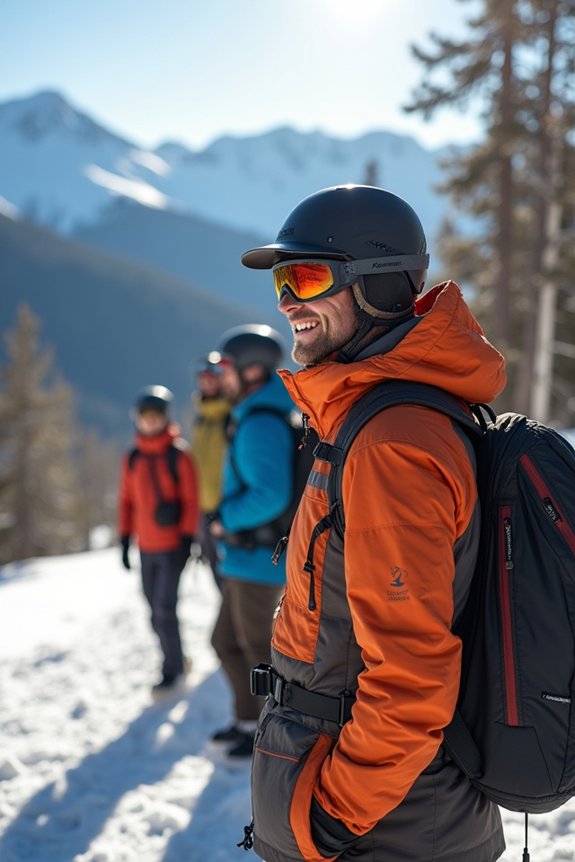
Once you’ve got your waterproof shell in place, you’ll want a solid mid-layer underneath, and that’s where fleece and wool work well for Aspen’s unpredictable weather. A lightweight fleece jacket or wool pullover sits perfectly between your base layer and outer shell, trapping your body heat without making you feel bulky or overheated when you’re moving around on the slopes. These layers compress small enough to stuff in your pack, so you can add or remove them as temperatures drop during the day or when you head into town for lunch.
Fleece And Wool Layers
The value of a solid mid-layer is that it traps your body heat without making you feel like you’re wearing a sleeping bag, and that’s exactly what fleece and wool do so well in Aspen’s unpredictable mountain weather. I’ve tested both extensively, and here’s what works:
- Lightweight fleece tops (200–300 grams) dry fast and layer well under shells
- Merino wool blends offer natural warmth plus odor resistance for multi-day trips
- Wool vests add core insulation without restricting arm movement
- Breathable construction lets moisture escape while maintaining heat retention
The real advantage? You’re not sweating through layers during the hike up, then freezing on the descent. Pairing these mid-layers with a moisture-wicking base and waterproof shell creates flexibility as conditions shift throughout the day. That’s the strategy that keeps you comfortable.
Lightweight Warmth Options
How do you stay warm without feeling like you’re wearing a puffy coat? Insulated ski mid-layers work well for Aspen’s unpredictable weather. Lightweight down vests and fleece jackets trap heat without the bulk, and they’re perfect for layering under your shell jacket.
I prefer zip-up styles because they let me adjust as I warm up during activity. The moisture-wicking interiors manage sweat when conditions shift from sunny afternoons to windy mornings at elevation. Four-way stretch fabrics keep me mobile while skiing or hiking, and that mobility matters when you’re navigating variable terrain.
I pack at least two mid-layers—one lighter for milder days and one heavier for serious cold. This approach handles temperature swings effectively, so I’m always comfortable without overpacking.
Winter Boots for Aspen: Traction on Ice and Snow
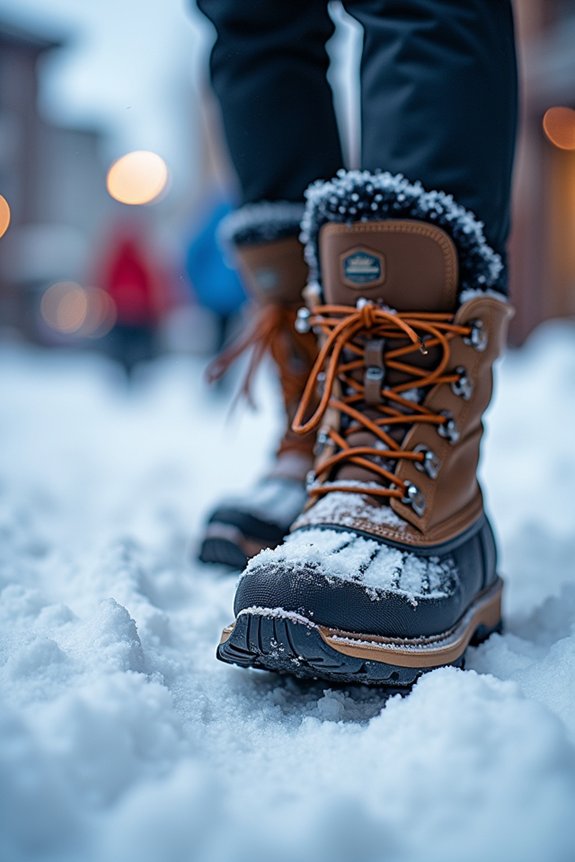
When you’re walking down Aspen’s cobblestone streets after a fresh snowfall, your boot soles determine whether you maintain your footing or slip. Traction is necessary here—it’s survival.
Here’s what actually works:
- Rubber-studded soles grip icy sidewalks better than smooth leather
- Thigh-high or cowboy boots provide warmth and stability combined
- Waterproof, insulated construction keeps feet dry in alpine slush
- Cobbler adjustments enhance grip on tricky terrain
Moon boots handle on-slope conditions well, yet they won’t cut it downtown. I trust my boots with microfiber lining and aggressive tread patterns. Visit a cobbler if needed; they’ll add studs or grip treatments. Your ankles—and your pride—deserve boots engineered for Aspen’s demands.
Extremity Protection: Gloves, Hats, and Scarves
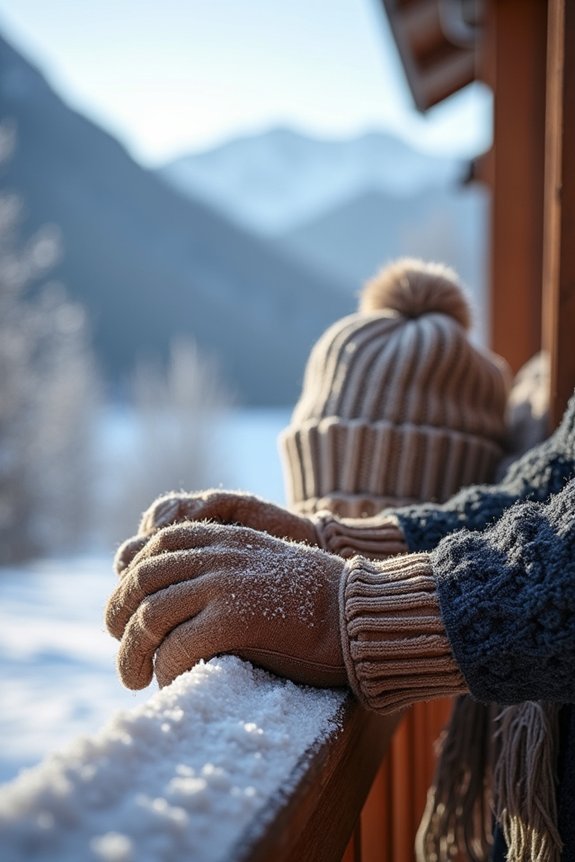
Your fingertips go numb faster than you’d think in Aspen’s thin air, and that’s where quality gloves matter. Waterproof, insulated gloves protect your hands whether you’re carving down the slopes or grabbing coffee in town. Pair them with a knit cap—locals wear everything from classic pom-poms to felt beaver hats—and you’ll fit right in while staying warm. A scarf or wrap adds that extra layer around your neck when wind picks up, which it does constantly here. For brutal cold days, reach for oversized fur or faux-fur accessories that work day and evening. Layering your extremities with moisture-wicking base layers under windproof outer layers keeps you comfortable through Aspen’s unpredictable mountain weather shifts.
How to Layer: Building a System That Actually Works
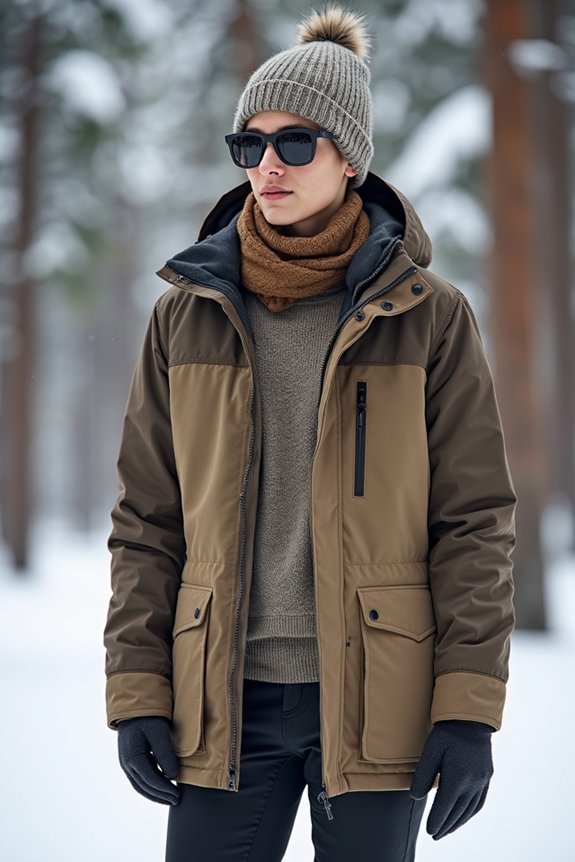
Knowing what to wear on each layer matters way more than just grabbing whatever’s in your closet, and I’ve learned this the hard way after plenty of Aspen mornings that started at 20 degrees and ended in bright sunshine on the slopes.
Layering isn’t complicated once you understand the system:
- Base layer: Start with non-cotton moisture-wicking tops and bottoms that pull sweat away from your skin
- Mid-layer: Add fleece or wool to trap warmth, letting you adjust easily between sunny and shaded spots
- Outer shell: Wear a waterproof puffer jacket and insulated pants for snow and wind protection
- Finish strong: Top everything with a warm hat, gloves, and neck warmer
This three-part approach keeps you comfortable throughout the day in Aspen’s changing conditions.
Sample Aspen Winter Outfit: Putting It All Together
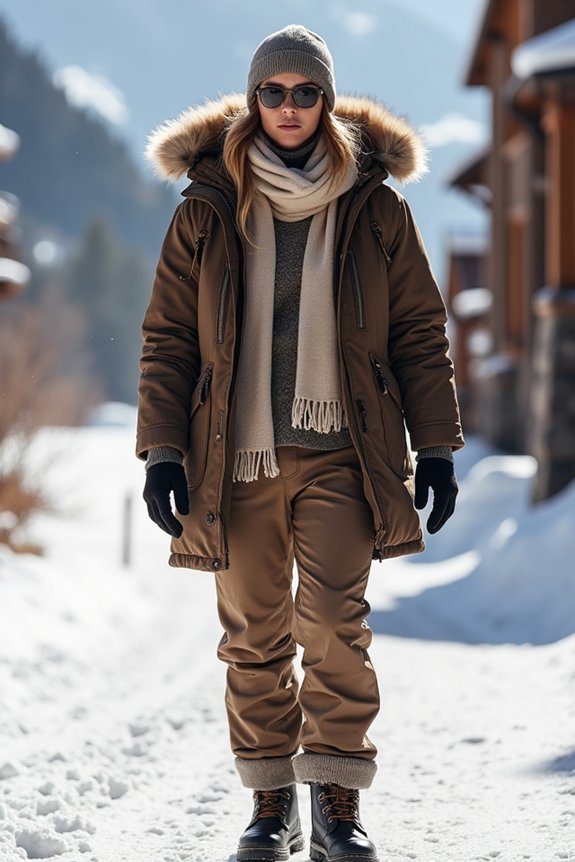
So how do you actually put all these pieces together without looking like you’re trying too hard? I start with quality basics: dark jeans, a fitted sweater, and a neutral puffer jacket. Then I layer in texture with a faux fur collar or vintage shearling vest—it adds warmth and that refined polish Aspen expects. For ski days, I swap the jeans for technical snow pants and pair them with my favorite lightweight base layer, keeping branding minimal. I add an oversized beanie and quality gloves that actually function. The key is mixing pieces from different brands so nothing screams designer, and balancing casual with refined. When I head to dinner after, I swap the ski coat for something sleeker while keeping that same faux fur accent. It’s about blending comfort with deliberate style, never overdone.