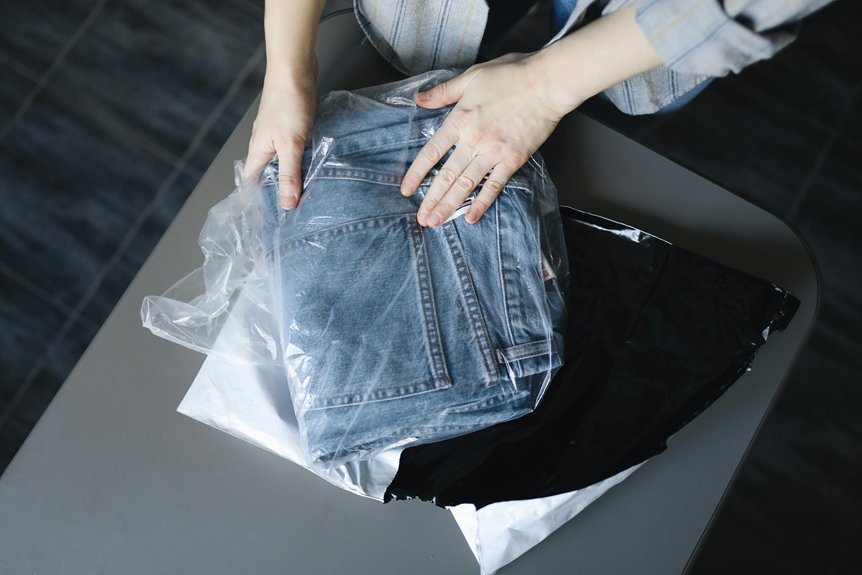
I’ve learned that Belize’s humidity demands cotton, linen, and quick-dry polyester blends instead of regular jeans and heavy fabrics. Long-sleeved shirts protect you from sun and insects, while moisture-wicking materials keep sweat from clinging to your skin all day.
Pack water shoes like Tevas for reef protection, two bathing suits so one dries while wearing the other, and a wide-brim hat with UPF clothing. Lightweight layers handle temperature shifts between afternoon hikes and coastal evenings. Skip the heavy stuff, and you’ll stay comfortable throughout your trip—the specifics below explain exactly how.
Choose Lightweight, Breathable Fabrics

When you’re packing for Belize, fabric choice matters more than you’d think. I’ve learned this the hard way after several trips to the region. Lightweight fabrics like cotton and linen work well in that humid climate. They let your skin breathe instead of trapping heat against your body.
Quick-dry blends work wonderfully too—I pack at least three shirts made from these materials. They dry fast after you sweat or jump in the water, which happens constantly when you’re there. Breathable fabrics with moisture-wicking technology keep you from feeling soggy all day long. You’ll notice the difference immediately when you wear them compared to heavier materials.
The right fabric choice improves your entire experience, allowing you to feel more comfortable rather than like an uncomfortable visitor struggling in the heat.
Long Sleeves and Collars: Sun and Insect Protection
I’ve found that picking the right long-sleeved shirt does double duty in Belize—it shields your skin from the sun while keeping bugs at bay, and it works perfectly with those breathable fabrics we just talked about. When I wear collars on my long sleeves, I get extra neck protection that I really notice during afternoon hikes. Silk long-sleeved options dry quickly after unexpected rain showers, which matters when you’re out all day. The key is choosing quick-drying materials that don’t cling to your skin in humidity. I pair these shirts with UPF rash guards for water activities, and the combination keeps me comfortable whether I’m exploring reefs or jungle trails. Long sleeves reduce your UV exposure while staying cool.
Pack Quick-Drying Materials for Water and Rain
- How do you stay comfortable when you’re switching between snorkeling and jungle trails multiple times a day?
- Quick-drying fabrics work well in Belize’s humidity. You’ll want to pack materials that won’t cling to your skin or trap moisture for hours.
- Here’s what I bring:
- Nylon and polyester shirts that dry in under two hours, even in dense tropical air
- Moisture-wicking blend shorts designed for water activities and land exploration
- Two bathing suits minimum so one’s always drying while you wear the other
- Quick-dry cover-ups for smooth transitions between reef and rainforest
- Skip heavy cotton—it’ll stay damp all day. I’ve tested this repeatedly, and lightweight, breathable options keep me feeling fresh across multiple activities. After water adventures, I rinse my gear and air-dry it whenever possible to prevent mildew and odor buildup.
Layer Your Belize Clothing for Day and Night Temperature Changes
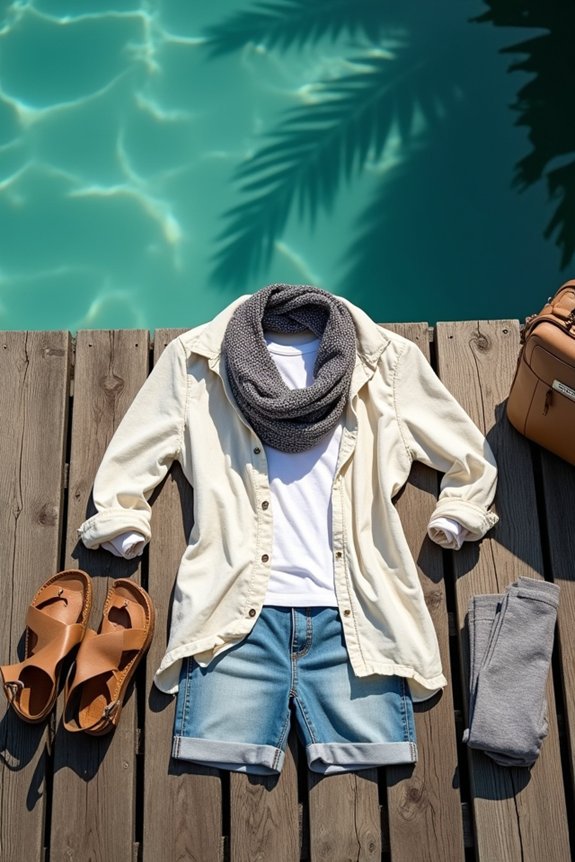
I’ve learned that Belize’s temperature swings between scorching daytime heat and cool evenings mean you’ll need clothes you can easily add or remove, so starting with a lightweight short-sleeve base layer and adding a long-sleeved sun-protection shirt as the sun dips works perfectly for both situations. Quick-drying fabrics with UPF ratings keep you protected during active days, and then a packable fleece or thin sweater handles those breezy coastal nights without taking up much luggage space. The key is picking neutral colors and materials that transition smoothly from hiking in direct sun to relaxing after dark, so you’re comfortable no matter what the clock says.
Day Heat, Evening Cool
When you’re packing for Belize, the temperature swings between day and night might catch you off guard if you’re not ready for them. Daytime temperatures hover around 75–85°F, so lightweight clothing works best. But here’s what I’ve learned: you’ll want to layer strategically for evening comfort.
Here’s my approach:
- Pack quick-drying shorts and breathable dresses for daytime heat
- Bring a lightweight long-sleeve shirt for cooler coastal breezes
- Include a thin sweater or cardigan for layering flexibility
- Grab a light rain jacket for tropical showers
Versatile pieces like sundresses paired with a breathable cardigan let you transition easily from beach to town. The key is choosing fabrics that adapt to both warm days and unexpectedly cool nights, so you’re comfortable regardless of where your day takes you.
Lightweight Layering Strategies
Why does layering matter so much in Belize? You’ll experience dramatic temperature swings—daytime heat hits 75–85°F, yet evenings cool considerably, especially near the coast. A solid layering system keeps you comfortable without overpacking.
Start with moisture-wicking fabrics like performance tees that pull sweat away from your skin. Add a breathable shirt on top, then pack a lightweight cardigan or thin fleece you can remove easily. This approach works because you’re adjusting to real conditions, not guessing.
Quick-drying materials matter here. When humidity’s high and you’re active, regular cotton clings uncomfortably. Performance blends outperform traditional fabrics in these conditions.
The key is versatility. You’re layering strategically, staying cool during hikes, then staying warm during evening boat rides without carrying bulky jackets.
Transitional Clothing Combinations
Now that you’ve got your base layers sorted, here’s where the layering happens—you’ll actually wear these pieces together across a full day and night cycle. Your transitional clothing strategy keeps you comfortable whether you’re on the coast or in the jungle interior.
Start your morning in a lightweight short-sleeve shirt and UPF long-sleeved layer, anchoring sun protection without overheating. As temperatures drop at night, you’ll drape your packable sweater or cardigan over these same pieces. This approach works because you’re mixing versatile items strategically:
- Cotton-blend tees worn solo during peak heat
- Quick-drying linen dresses layered under cardigans after sunset
- Neutral shorts paired with long pants for multiple outfit combinations
- Wide-brim hat providing daytime sun protection without bulk
You’ll pack less while creating more outfit options, which saves space and decision fatigue.
Pick Water-Friendly Footwear for Snorkeling and Hiking
I’ve learned that water shoes like Teva or Keen styles are practical for Belize trips because they dry quickly and grip wet surfaces, plus they protect your feet from sharp coral and sea urchins when you’re wading through reef areas. You’ll want to pack both a pair of water sandals for snorkeling and shore entries, and separate hiking shoes with moisture-wicking socks for the mainland trails, since tropical humidity can cause blisters if your feet stay damp all day. The right footwear with good drainage and toe protection provides real benefits when you’re spending hours on long reef excursions or scrambling over rocky terrain.
Water Shoes for Snorkeling
The right pair of water shoes can make or break your snorkeling and hiking days in Belize, and I’ve learned this the hard way after stepping on sharp coral and slippery rocks more times than I’d like to admit. You’ll want footwear that protects your feet while keeping you comfortable throughout your adventure.
Here’s what I look for in quality water shoes:
- Closed-toe design that shields feet from sharp coral and reef stings
- Quick-drying material that dries within a few hours, preventing blisters
- Secure straps that keep shoes firmly in place on slippery surfaces
- Reinforced toe and heel areas for rocky shore entries and boat transfers
I’ve tested Teva and Keen styles extensively, and their grippy soles handle both snorkeling and light hiking well. The durable construction means your feet stay protected and comfortable, whether you’re wading through shallow reefs or exploring rocky coastlines.
Hiking Footwear Options
Once you’ve locked down solid water shoes for snorkeling, you’ll want to think about what you’re wearing for the actual hiking portions of your trip, and here is the thing—your feet don’t need two completely different shoe collections. Waterproof footwear designed for dual-purpose use saves space in your luggage and money in your budget. Look for lightweight hiking shoes with quick-drying mesh uppers and moisture-wicking liners that provide ventilation during humid jungle treks. Closed-toe protection shields your toes from rocky terrain and coral, while secure straps keep everything locked down during water crossings. Choose footwear with reliable grip and drainage capabilities. You’ll want to replace your hiking footwear every 1–2 years to maintain traction and support on Belize’s tropical trails and shorelines.
Durability and Quick-Drying Materials
Water-friendly footwear isn’t just a nice-to-have for Belize—it’s necessary because you’ll move between snorkeling, hiking, and water crossings constantly, and your shoes need to keep up without slowing you down. I’ve learned this the hard way, and it affects everything about your trip comfort.
Here’s what I prioritize when choosing shoes:
- Mesh uppers with EVA foam soles that drain water within minutes, not hours
- Closed-toe designs for rocky reefs and jungle terrain protection
- Moisture-wicking socks paired with quick-drying footwear to prevent chafing
- Lightweight construction that reduces fatigue on wet boat decks and slippery trails
The right shoes let you transition into and out of beach to jungle without that soggy, heavy feeling. I’ve tested multiple options, and rubber or EVA materials consistently outperform others. Your feet—and your adventure—will benefit from this approach.
Sun Protection: Wide-Brim Hat and UPF Clothing for All-Day Wear
Why does sun protection matter so much in Belize? The tropical sun’s intensity hits differently than back home, and I’ve learned that a wide-brim hat isn’t just an accessory—it’s essential gear. I wear mine daily because it shields my face, neck, and ears during long outdoor activities, whether I’m exploring shoreline areas or jungle trails.
UPF clothing has become my primary strategy. These lightweight, light-colored garments block UVA and UVB rays while staying cool in the humidity. I pair my wide-brim hat with UPF shirts and rashguards, which lets me skip layering multiple pieces. This combination minimizes sunburn risk and reduces my reliance on reef-safe sunscreen for sensitive zones. All-day wear becomes manageable when you’ve got the right sun protection setup.
Skip Heavy Fabrics and Jeans: Choose Better Belize Clothing Instead
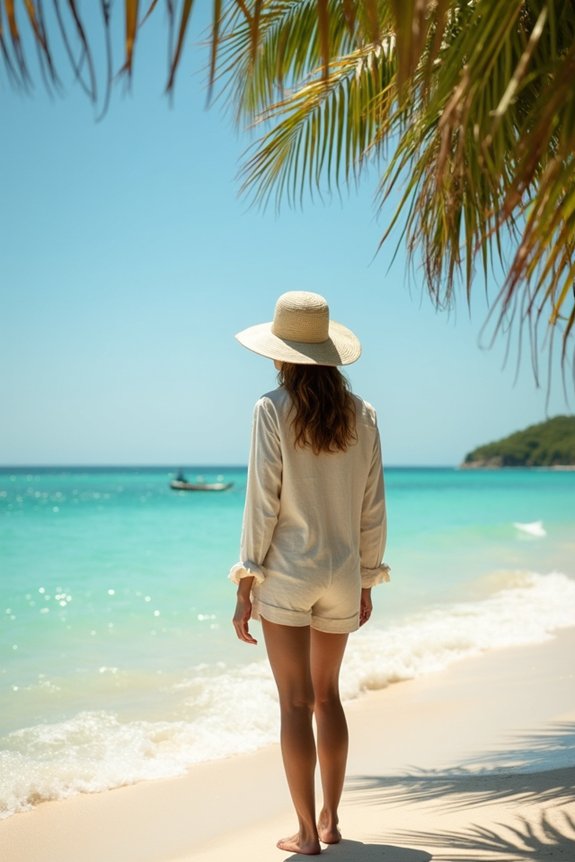
How’d I figure out that heavy fabrics were working against me in Belize’s humidity? I showed up with regular jeans and cotton shirts, and I felt miserable within hours. The fabric clung to my skin, trapped moisture, and took forever to dry after rain showers.
Heavy fabrics clung to my skin and trapped moisture within hours of arriving in Belize’s humidity.
I switched to what actually works:
- Quick-dry shirts made from polyester blends that shed water instantly
- Lightweight shorts and breathable pants that don’t stick to your legs
- Moisture-wicking fabrics that pull sweat away from your skin
- Sundresses in nylon that dry faster than cotton ever could
These materials keep you comfortable all day long, and they’re practical for unpredictable tropical weather. You’ll notice the difference immediately when you’re moving between beach activities and exploring inland areas. Ditching the heavy stuff significantly improved my trip’s comfort level.