
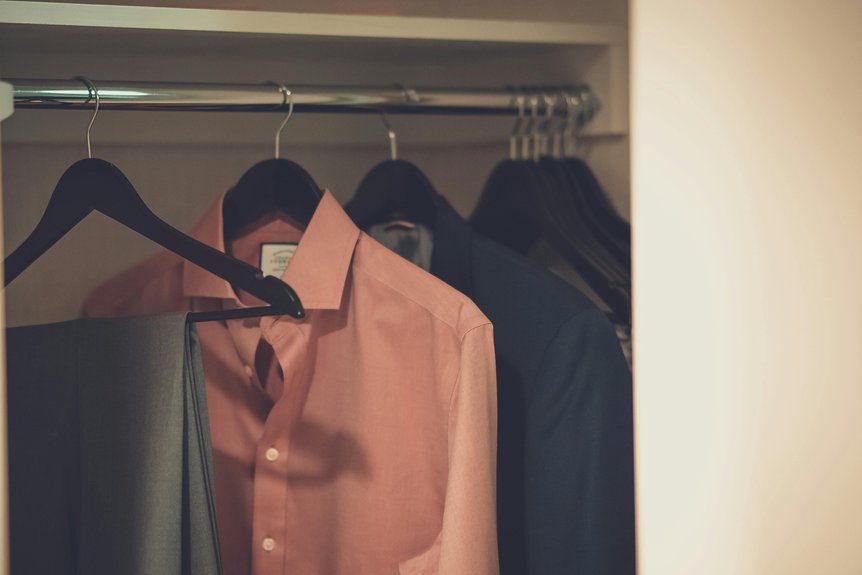
You’ll want to wear business casual with dark, muted colors—think navy slacks paired with a collared shirt, or a knee-length black dress. Stick to solid colors like charcoal, grey, or dark brown, and choose matte fabrics like wool or cotton. Closed-toe shoes keep things respectful and comfortable for standing around. Skip bright colors, bold patterns, and flashy accessories. The outfit you choose signals respect for the person who’s passed and support for their grieving family. There’s more specific guidance depending on whether you’re attending a formal funeral home service or a casual home gathering.
Start With Business Casual: Your Safe Default

When you’re getting dressed for a wake, start with business casual. This approach strikes the right balance between showing respect and feeling comfortable during a difficult time. For wake attire, reach for dark slacks paired with a collared shirt—navy, charcoal, or gray work well. A blazer or sweater adds refinement without appearing overdressed. Conservative colors matter here; they convey the solemnity that funeral etiquette requires. Women might choose a knee-length dress or tailored pants with a modest blouse or cardigan in similar muted tones. Avoid bright colors, bold patterns, and jeans entirely. This modest dress code helps you blend in respectfully while honoring the occasion. Business casual keeps you feeling grounded and appropriate.
What Men Should Wear to a Wake
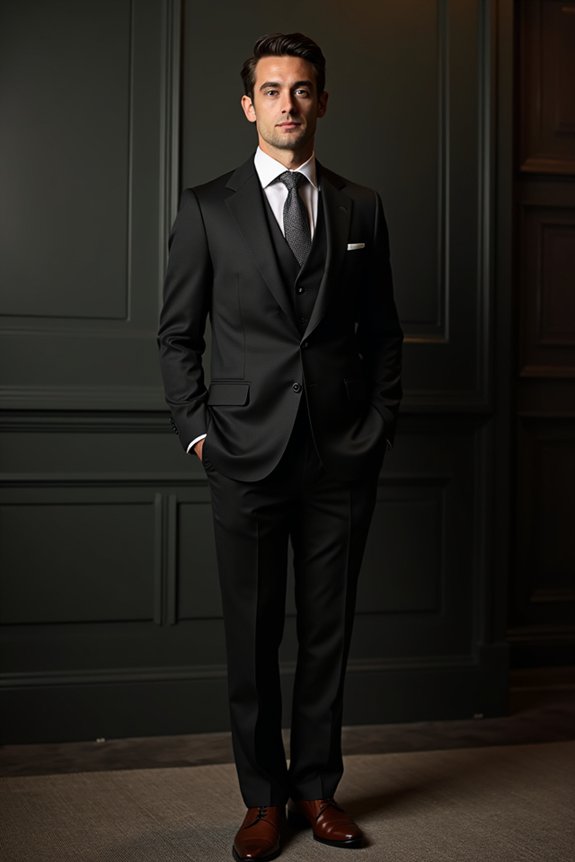
For men, a dark suit paired with a dress shirt and conservative tie, finished with polished dark dress shoes, is the appropriate choice at a wake. This combination demonstrates respect without appearing overdone.
If you don’t have a full suit available, dark slacks with a collared shirt and a blazer work well as an alternative. The key is keeping everything dark or muted—navy, charcoal, or black work best. Avoid bright colors and flashy patterns, which can feel disrespectful.
Without a suit, dark, clean jeans paired with a blazer and polished shoes may work depending on the event. Keep accessories minimal and your overall appearance neat. You’ll be standing and greeting people for hours, so comfort matters alongside looking appropriate.
What Women Should Wear to a Wake
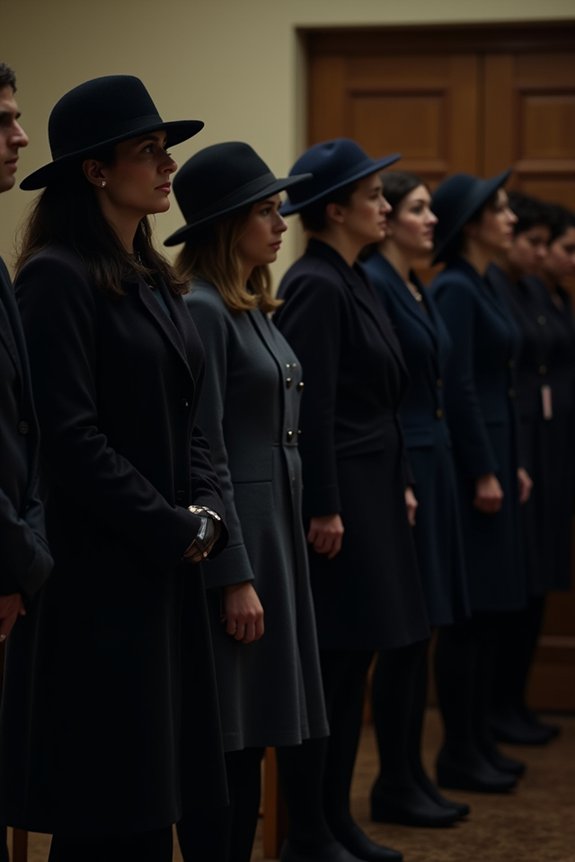
A dark, knee-length dress in a solid color strikes the right balance—it’s respectful without feeling stiff or overly formal. Navy, charcoal, or dark green work well for wake attire, and they’re forgiving fabrics that travel well. Pair your dress with a simple blazer or cardigan for added refinement, or choose a tailored pants outfit with a modest blouse instead.
Your women’s funeral dress should keep accessories minimal and unobtrusive. Closed-toe shoes and delicate jewelry are appropriate choices—nothing that draws attention. Conservative clothing means avoiding bright colors, bold patterns, or logos that distract from the moment.
If the family or funeral home provides specific dress code guidelines, follow those wishes to honor the deceased. When uncertain, selecting a finished, conservative option is the right choice.
Choosing Colors, Fabrics, and Accessories
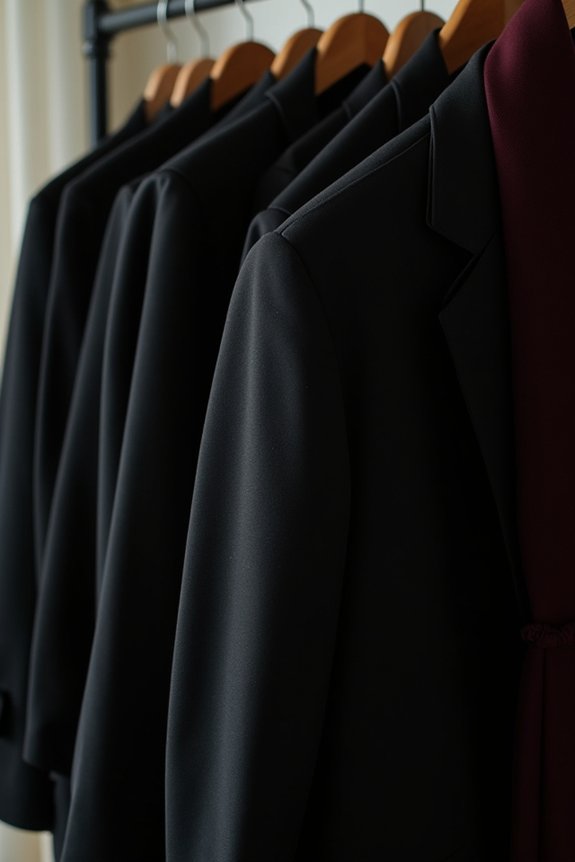
When I’m getting ready for a wake, I reach for dark colors like navy, charcoal, or black because they’re respectful and timeless, and I pair them with fabrics that hold their shape—wool blends and crepe drape nicely without that shiny look that feels out of place. For accessories, I keep things minimal: a simple watch, small earrings if I wear them, and I skip anything loud or flashy since the focus shouldn’t be on what I’m wearing. The shoes matter too—I choose closed-toe flats or low heels that are polished and comfortable, since I’ll likely be standing and walking around for a while.
Dark Colors and Neutrals
Why do dark colors matter so much at a wake? They show respect and help you blend into the somber atmosphere. Navy, charcoal, and black are your safest bets. These colors communicate that you’re taking the occasion seriously, and they work with almost any outfit you already own.
Neutrals like grey, taupe, and dark brown are equally appropriate choices. They create that subdued look everyone expects at a wake without feeling heavy or overly formal. These tones mix and match easily with pieces you wear regularly.
The key is avoiding anything bright or flashy. Your attire should be understated and quiet. Stick with these color palettes, and you’ll feel assured knowing you’ve chosen respectfully for the occasion.
Fabric Selection and Texture
Once you’ve settled on your color choice, the fabric you pick matters just as much as the shade itself. Matte finish materials like wool, wool blends, and crepe work best because they don’t shine or draw attention. Cotton is another solid option that feels respectful without being fussy.
Lightweight to medium-weight textures work well for wakes. Knits and wovens that drape naturally without looking bulky or casual are appropriate choices. Subtle textures like herringbone or fine rib add depth while staying understated.
Skip anything glossy or shiny—satin catches light awkwardly in these settings. Avoid heavily textured or bulky materials too, as they read too casual. Pair your muted colors and quality fabric with conservative footwear and minimal jewelry to keep everything cohesive and respectful.
Accessories and Finishing Touches
Your outfit’s foundation is set, and now the smaller details matter in how put-together and respectful you’ll look. I keep my accessories minimal because less is more at a wake. I wear understated jewelry—perhaps a simple silver or gold chain, small earrings, or a modest watch—nothing that catches light or draws attention. For makeup, I go natural and neutral, using soft tones that enhance my face without announcing themselves. My footwear matters too; I choose dark leather flats or low heels in black or deep tones, never athletic shoes. These finishing touches matter because they show I’ve thought carefully about honoring the family’s loss. When you’re present and grounded, people notice your compassion, not your accessories.
Common Mistakes to Avoid at a Wake
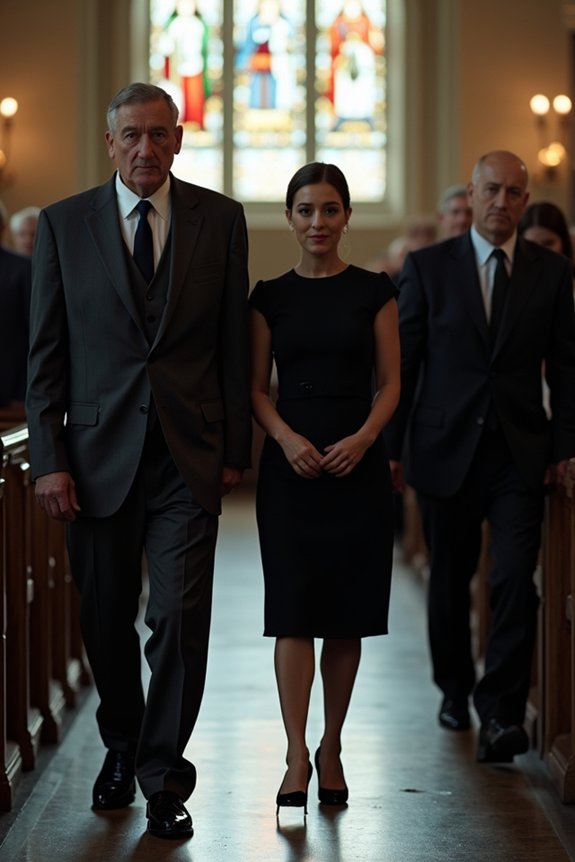
When you’re getting dressed for a wake, it’s easy to slip up if you’re not thinking carefully about what the event really calls for. I’ve learned that funeral attire requires intention, and casual wear mistakes happen when you’re not paying attention to the specifics.
Here’s what I’d avoid:
- Wearing bright colors or bold prints that pull focus from the solemn purpose
- Choosing ripped jeans, t-shirts, or athleticwear that reads too casual for the occasion
- Adding large logos, heavy jewelry, or strong fragrances that distract others
- Applying heavy makeup or posting photos without family permission
Subdued colors like navy, charcoal, and deep gray work best because they show respect. Appropriate wake etiquette means dressing thoughtfully so you can support grieving families without drawing unnecessary attention to yourself. That’s how you belong in these difficult moments.
Can Children Wear Casual Attire?
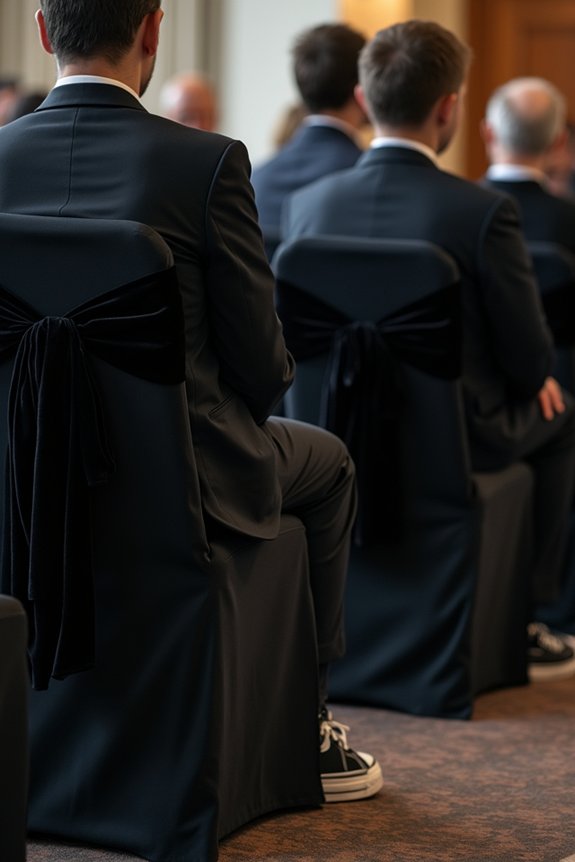
I’ve found that kids don’t need to dress in full formal wear at a wake, but they do need outfits that show respect for the occasion. Dark jeans work fine if they’re clean and paired with a blazer or collared shirt, signaling respect through funeral etiquette. I’ve seen children in simple dark slacks or modest dresses with basic tops fit appropriately, which helps them feel comfortable during a difficult day. The key to casual attire at a wake involves choosing modest, conservative pieces without flashy colors or graphic designs. Prioritize practical comfort with sturdy footwear for standing and walking. Your child should look neat yet relaxed, so they can focus on processing their emotions rather than feeling restricted by uncomfortable clothing choices.
Selecting Appropriate Footwear
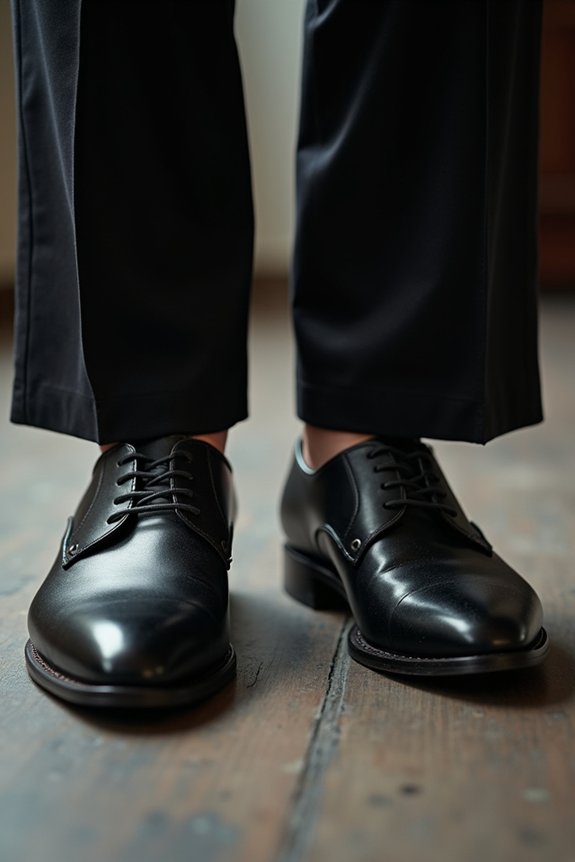
How much thought have you given to what’s on your feet at a wake? I’ve learned that your shoes matter more than you’d think, and I want to help you get this right.
Your footwear sets the tone for your entire look. Here’s what works:
- Closed-toe shoes in dark colors like black or navy show respect and match the somber mood
- Leather or faux leather dress shoes keep you looking clean and professional
- Comfort and support matter because you’ll stand for hours on different surfaces
- Scuff-free, clean shoes demonstrate that you’ve prepared thoughtfully for the occasion
I always choose low to moderate heels for stability. Avoid sneakers, sandals, or anything with bright logos. When your feet feel supported, you can focus on being present for grieving family members. That’s what really counts.
Adapt Your Outfit to the Setting
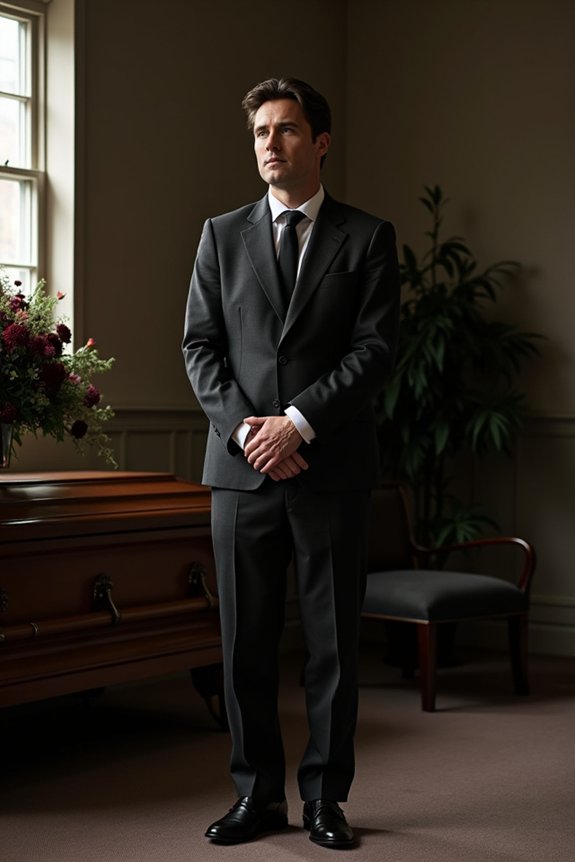
Different wake settings call for different outfit choices, and you’ll want to match your clothes to where you’re going. A funeral home or church wake calls for more formal attire—think dark dress pants with a collared shirt or a knee-length dress. A home wake or celebration of life allows for business casual instead, so you can wear nice slacks with a sweater. Either way, stick with conservative colors like black, navy, or gray; bright patterns don’t fit the mood. Check the invitation for specific dress code guidance, and when in doubt, lean toward formality. Your setting determines how refined you should appear, and respecting that shows you care about honoring the person and supporting the family.
Cultural and Religious Dress Expectations
When you’re attending a wake in a faith community that’s unfamiliar to you, it’s worth taking a moment to understand what that tradition expects, because showing respect through your clothing choices really does matter.
Different religious traditions have specific dress codes that honor the deceased and their community. I’ve learned that modesty guides most religious expectations, and understanding these cultural norms helps you participate respectfully.
Consider these key dress code elements:
- Covered shoulders and longer hemlines across many traditions
- Head coverings required in certain synagogue communities for both men and women
- White clothing worn during Hindu mourning practices
- Minimal flashy details that distract from the solemnity
When you’re unsure about dress expectations, simply ask the family or funeral home. They’ll appreciate your thoughtfulness, and you’ll feel prepared to honor the deceased’s religious traditions properly.
Handling Outdoor Wakes and Weather
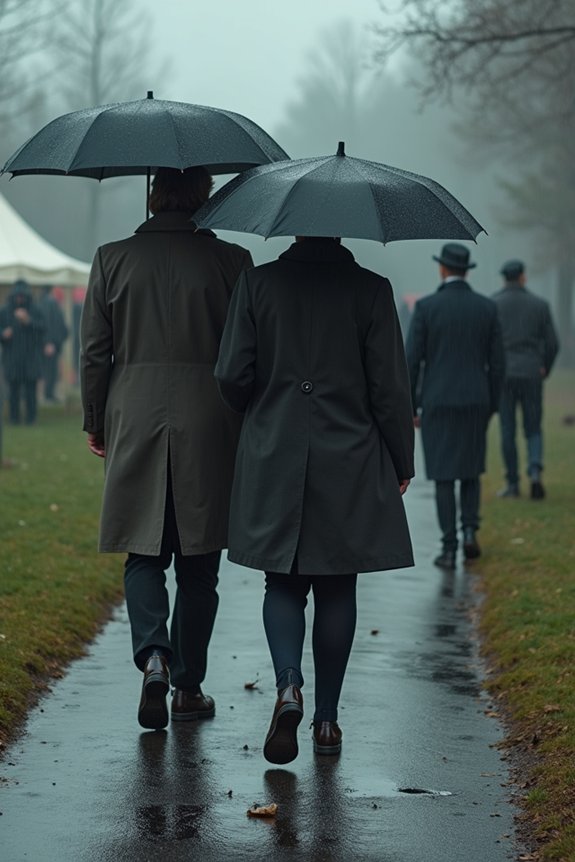
When you’re attending an outdoor wake, you’ll want to dress in layers because temperatures shift throughout the day—I’ve shown up in just a blazer at a morning service and felt chilled by afternoon, so I now bring a lightweight cardigan or shawl I can remove if it warms up. Your footwear matters more than you might think, and I’ve learned this the hard way by wearing dress flats to a graveside service on soft ground; closed-toe shoes with decent traction, like leather loafers or supportive flats with rubber soles, keep you stable on grass, gravel, or uneven terrain. Don’t overlook practical touches like a neutral-colored hat for sun protection or checking the venue’s weather notice beforehand, since outdoor wakes sometimes relocate if rain’s predicted.
Layering for Temperature Changes
How do you stay comfortable at an outdoor wake when you can’t predict what the weather’ll throw at you?
Layering is your best strategy for managing temperature changes throughout the day. I’ve found that starting with a lightweight, breathable base layer keeps you comfortable without bulk, and you can add or remove pieces as needed without drawing attention.
Consider these essentials for your wake attire:
- A dark, neutral cardigan or unstructured blazer that complements your outfit
- A long-sleeve blouse paired with a water-resistant outer layer in subdued tones
- Breathable fabrics that won’t wrinkle easily when you’re sitting or standing
- Easy-to-remove pieces so you can adjust indoors without fussing
This approach lets you honor the occasion while staying physically comfortable, which helps you focus on what matters most.
Footwear and Ground Conditions
Your choice of footwear matters just as much as your layered top, and I’ve learned this the hard way after attending outdoor wakes on grass that’d been watered the night before. I now prioritize closed-toe shoes with stable soles because they handle uneven ground better than anything else I’ve tried. Flat or low-heeled options keep me grounded literally, preventing my feet from sinking into mud or soft patches. Weather preparedness is important too—I grab waterproof shoes when rain’s forecast, and for sunny days, I choose breathable closed-toe styles in dark colors that stay formal yet cool. Before entering the service area, I always wipe away any mud or leaves from my soles, respecting both the venue and the family. These small choices make real differences in how I feel throughout the service.
If You’re Unsure: How to Ask for Guidance
Still not sure what to wear? Asking for funeral guidance shows respect and helps you honor the family’s wishes. Reaching out directly works best.
Asking for funeral guidance shows respect and helps you honor the family’s wishes. Reaching out directly works best.
Here’s how I approach it:
- Check first: Review the obituary, funeral home notice, or family message for any stated dress code or color requests
- Ask respectfully: Contact a family member or funeral director with a simple question like, “Is there a preferred color or attire for the service?”
- Mention context: Note the culture or religion if known, since white mourning attire matters in Hindu or Buddhist traditions
- Document instructions: Save any specific guidance about color restrictions, formality level, or items to avoid
I always reach out discreetly through a short message or phone call rather than asking publicly. This approach allows you to dress appropriately while showing genuine care for the family’s expectations and cultural preferences.
Prepare Your Wake Attire in Advance
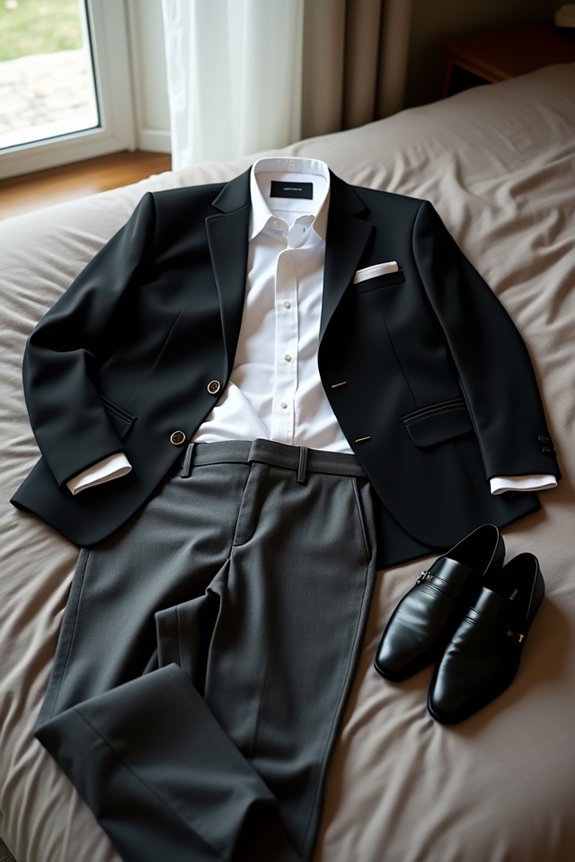
I’d recommend planning your wake outfit a few days ahead so you’re not scrambling the morning of, and checking with the family first about any specific color requests or dress codes they prefer. When I’ve attended wakes, I’ve found that starting with dark neutral pieces—like navy or charcoal slacks paired with a simple collared shirt or blouse—gives me a respectful base that works for most situations, and adding a blazer or cardigan lets me adjust the formality depending on what the family asks for. Comfort matters here, so I always pick closed-toe shoes I’ve worn before rather than breaking in something new, since you’ll be standing and sitting for several hours.
Plan Your Outfit Early
When should you start thinking about what to wear to a wake? I’d recommend planning at least a week ahead. This gives you time to gather options and avoid scrambling at the last minute. Here’s why early planning matters:
- You’ll feel composed during an emotional time
- You can coordinate pieces you already own, saving money
- You’ll have items that are clean, pressed, and ready
- You can check weather forecasts and plan layers accordingly
Starting early lets me focus on wake etiquette rather than logistics. I review any obituary notes for specific dress codes, then build my outfit around dark colors like navy or charcoal. Conservative dress works best in funeral home settings. I pair a modest top with comfortable shoes I’ve worn before, adding a blazer for temperature control. This straightforward approach keeps me grounded and respectful.
Check Family Guidance First
Where should you actually start when picking out your wake outfit? Check the obituary, funeral home notice, or family message first—their dress code guidance overrides everything else. I’ve learned this matters because families sometimes request specific attire to honor their loved one’s memory.
When the family provides clear instructions, follow them exactly. They’re telling you how to show respect through your clothing choices. If no guidance exists, default to conservative attire in muted colors—think business casual or smart casual.
This approach respects funeral etiquette and shows you care about getting wake attire right. Dark neutrals, modest styles, and polished pieces work reliably when you’re unsure. Still uncertain? Contact the funeral home or family directly before the event. They’ll appreciate your thoughtfulness.
Comfort Meets Formal Respect
How do you balance looking respectful while staying comfortable enough to stand for hours?
I’ve found that choosing wake attire thoughtfully makes this easier than you’d think. Dark colors like navy, charcoal, or deep gray show respect while hiding wrinkles and stains better than lighter shades. I always prioritize modest silhouettes that don’t draw attention, which helps me focus on supporting grieving families.
Here’s what I’ve learned works:
- Select breathable fabrics that won’t feel restrictive during long standing periods
- Wear closed-toe shoes broken in beforehand to avoid blisters
- Layer with a blazer or cardigan for flexibility as room temperatures shift
- Choose minimal accessories so you’re not fidgeting nervously
Respectful dress doesn’t mean suffering through discomfort. When I prepare my funeral guidance outfit in advance, I pick pieces I’ve already worn successfully, combining both dignity and genuine ease throughout the wake.
Your Wake Outfit Verification Checklist
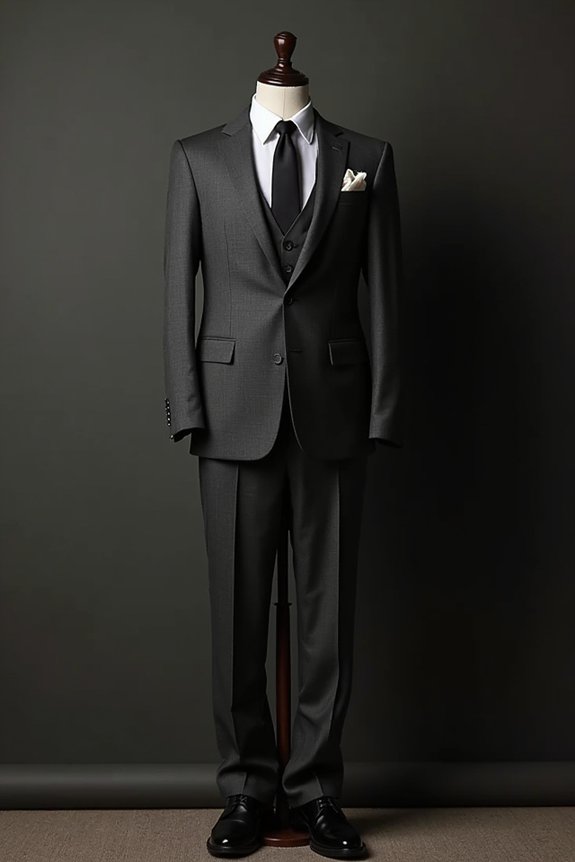
Before you head out the door, run through a quick mental checklist of your outfit to make sure it fits the right notes for a wake.
| Checklist Item | What to Verify |
|---|---|
| Dress Code | Business casual to smart casual alignment |
| Color Palette | Dark, muted tones without bright shades |
| Modesty Standards | Shoulders covered, knees to ankles |
| Footwear | Closed-toe, comfortable shoes |
Double-check that your attire respects the somber setting while keeping you comfortable for standing and greeting people. Dark colors like navy, charcoal, and black work best, and keep your accessories minimal and understated. Confirm your hems reach knee-length or longer, and verify your shoes feel supportive since you’ll be on your feet. Finally, check any specific family guidance about colors or themes, adjusting your outfit accordingly.
What Is a Wake and Why Dress Code Matters
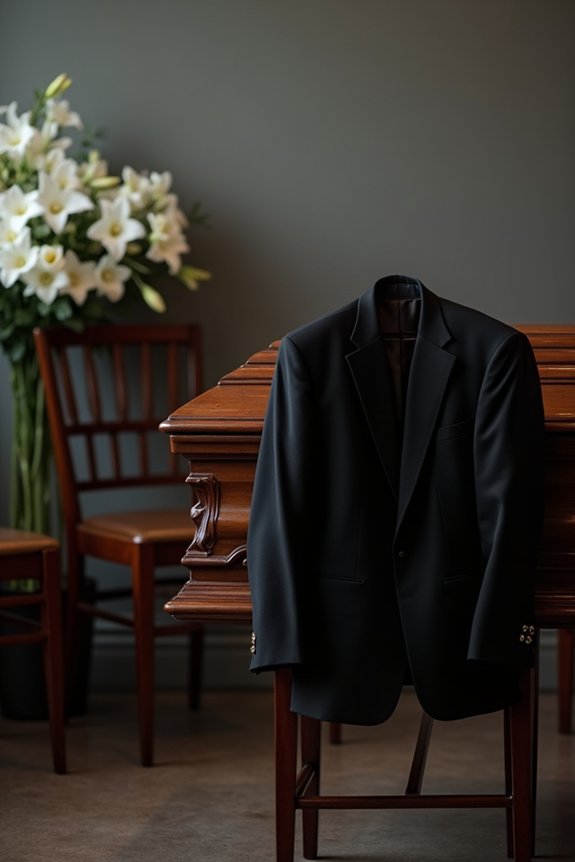
A wake is a gathering where people come together to honor someone who’s passed away. What you wear to this event matters because your outfit communicates respect for the deceased and support for the grieving family. Choose subdued colors and modest clothing—think business casual or smart casual pieces like dark slacks paired with a button-up shirt—rather than bright colors or overly casual items like jeans and t-shirts. The dress code reflects cultural and religious traditions, so understanding these customs helps you show respect while feeling appropriate for the occasion.
Understanding Wake Traditions
Why does what you wear to a wake matter so much? Your clothing choice shows respect during a vulnerable time, and understanding wake traditions helps you fit in and support the grieving family.
A wake brings people together before the funeral, and the viewing environment calls for intentional clothing selections. Here’s what shapes funeral attire expectations:
- Dark colors signal respect and solemnity without drawing attention to yourself
- Modesty in silhouette means avoiding tight fits or exposed shoulders
- Subdued fabrics like cotton and wool blend better than shiny materials
- Neat appearance demonstrates you’ve prepared with care for the occasion
Dark neutrals—navy, charcoal, black—work best for this gathering. Business casual pieces create the right balance between respectful and approachable, letting your presence comfort others rather than your outfit becoming the focus.
Honoring the Deceased Through Attire
When you’re getting ready for a wake, your clothes aren’t really about looking good—they’re about showing that you care, and that matters more than you might think. Your wake attire communicates reverence for the person who’s passed, and it helps the family feel supported during a difficult time. Choosing modest, dark colors like navy, black, or charcoal gray shows respect without demanding attention. You’re not making a fashion statement; you’re participating in something meaningful. Cultural norms vary, though—some families prefer white, while others have specific religious expectations—so asking the funeral home or family beforehand prevents unnecessary worry. When you dress appropriately, you blend in with others and focus on what truly counts: honoring the deceased and comforting those grieving.
Respect and Cultural Significance
Ever notice how the clothes we wear to different events send a message before we even say hello? At a wake, your outfit communicates respect and support to the grieving family, so understanding cultural traditions matters more than looking fashionable.
Wake attire reflects specific values across different backgrounds:
- Modest coverage shows honor for the deceased and their family’s beliefs
- Dark, muted colors like navy, black, and gray demonstrate solemnity without drawing attention
- Simple fabrics such as cotton blends and wool convey sincerity over flash
- Minimal jewelry respects funeral etiquette and cultural customs
Your clothing choices during this gathering aren’t about personal style—they’re about belonging to a community showing up for each other. When you dress with consideration for the occasion, you’re saying, “I’m here for you,” which matters far more than any trendy piece ever could.