I’ve built my Chicago rotation around seven pieces that actually work together. Start with a mid-weight parka with a storm hood and adjustable cuffs—it blocks lake wind without bulk. Layer a fitted cashmere turtleneck underneath, add fleece-lined jeans or wool trousers, and slip on lug-sole boots for wet pavement. Throw in a beanie, gloves, and scarf for quick warmth adjustments. These pieces stack strategically, moving smoothly between outdoor cold and heated buildings. Each piece earns its spot through versatility, and understanding how they connect reveals the real strategy.
A Parka That Handles Chicago’s Wind and Cold Snaps
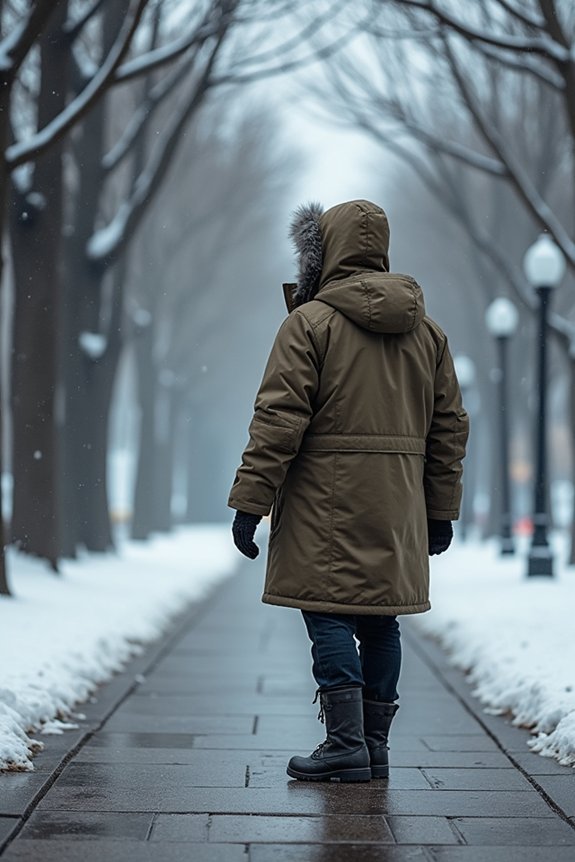
Why does 55°F in Chicago feel so much colder than the same temperature elsewhere? Lake Michigan’s wind cuts through that temperature, making it feel like 40°F instead. That’s why you need a parka with serious wind protection and insulation.
I look for mid-weight to heavy fill that traps warmth without weighing me down. The best parkas have storm hoods that actually cover your face, adjustable cuffs that seal out wind, and lengths hitting your hips for full coverage. You’ll want breathable inner layers too, so you don’t overheat during those random mild afternoons.
I’ve found that removable linings save me. When you’re jumping between outdoor cold and heated buildings constantly, that zip-out insulation lets you adjust fast. Add water-resistant coating for slush season, and you’re set for whatever Chicago throws at you.
Layerable Knits for Your Foundation
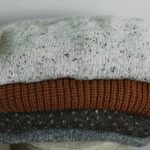
I’ve found that layering knits strategically—starting with a fitted cashmere sweater or wool turtleneck as your base—gives you flexibility without the bulk that Chicago’s unpredictable weather demands. A cropped sweater works great over these foundations, and I can remove it quickly when the sun breaks through those cold snaps. The key is choosing knits in different weights so you’re not stuck overheating indoors or freezing the moment you step outside.
Cashmere for Early Spring
How do you stay warm when Chicago’s spring can’t decide between 40 and 65 degrees? I’ve found that cashmere is my answer. These lightweight knits layer beautifully under a parka or over a base tee, and they maintain softness through rapid temperature shifts. I prefer cropped cashmere sweaters paired with knit or wool trousers and a wind-blocking outer layer—the cropped length balances the volume without looking bulky. For extra warmth without adding bulk on windy days, I layer a thin turtleneck underneath. What really matters to me is choosing machine-washable cashmere options that can handle frequent washing and layering without losing their feel. Cashmere accepts this lifestyle, and I can actually wear it daily during Chicago spring.
Wool Turtlenecks as Base
While cashmere sweaters handle the layering job well, they work best when you’ve got the right foundation underneath, and that’s where a wool turtleneck becomes your undercover asset. I’ve found that a fitted wool turtleneck creates the streamlined base layer Chicago weather demands, especially during unpredictable spring transitions. The fabric resists wrinkling and maintains shape through repeated wearing, which matters when you’re packing light for variable conditions. Wool’s natural moisture-wicking properties manage humidity near the lake, while its insulation handles wind chill without adding bulk. I pair mine with wool trousers or fleece-lined jeans, then adjust outer layers as forecasts shift. That fitted neckline disappears under cropped sweaters and parkas, giving you reliable warmth that adapts to Chicago’s moody spring days.
Cropped Sweaters for Versatility
Once you’ve got that wool turtleneck as your base, a cropped sweater becomes your next strategic layer, and it’s where you get to play with style while staying practical. I’ve found that cropped sweaters work well with Chicago’s unpredictable shifts because they pair well with high-waisted pants or skirts, creating a clean line without bulk.
Here’s what makes them useful:
- Texture variety (ribbed, cable-knit, or waffle-knit) adds visual interest and helps mix neutrals through fluctuating spring temperatures
- Weather-appropriate fabrics like merino wool blends or cotton blends balance warmth with moisture management on mixed-weather days
- Easy layering potential lets you tuck them into belts or pair with longer coats and scarves for wind resistance
This approach keeps transitions between outdoor and indoor settings smooth and uncomplicated.
Bottoms That Flex Between 40°F and 55°F
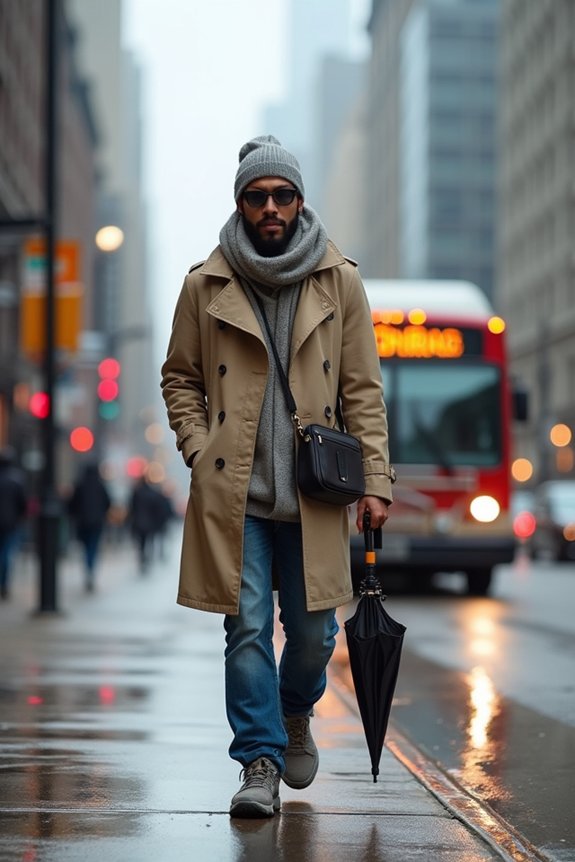
When Chicago’s temps hover between 40°F and 55°F, fleece-lined jeans become my go-to because they provide warmth without bulk, and they work well with everything from light sweaters to heavier jackets. Corduroy pants function equally well during these variable spring days since their textured fabric adds visual interest while the slightly thicker weave handles temperature swings, plus I can dress them up or down depending on my plans. Wool trousers round out my bottom rotation because they’re insulating enough to wear solo or layered, and they have that refined appearance that works whether I’m running errands or heading to city activities.
Fleece-Lined Jeans Versatility
How do you stay comfortable when Chicago’s temperature can’t decide between winter and spring? I’ve found fleece-lined jeans to be a reliable choice for those tricky 40°F to 55°F days.
The insulation works without adding bulk, so I can layer underneath without feeling restricted. Here’s what makes them work:
- Warmth without weight — The fleece lining traps heat while staying slim under jackets
- Flexible styling — I dress them up with boots for commutes or down with sneakers for farmers markets
- Wind protection — Paired with a jacket, they keep my core warm during Chicago’s gusty conditions
I pair them with lightweight knits or tees, adjusting my layers as the day shifts. They’re stable enough for lug-sole boots on wet pavement, practical for everyday wear, and refined enough for outings. That’s the balance I need when the weather refuses to commit.
Corduroy For Spring Texture
Fleece-lined jeans handle the basics, but corduroy pants offer something different for those spring days when you need texture and warmth without the weight. The ribbed fabric traps heat while staying breathable, which matters when Chicago’s spring weather swings between 40°F and 55°F. I’ve found that corduroy’s durability handles windy conditions better than softer fabrics, and the material doesn’t billow around like heavier bottoms do.
What I appreciate most is how corduroy creates visual interest in your outfit. That tactile texture contrasts nicely with smooth knits and jackets, giving you a cohesive look without bulk. Pair them with adjustable cuffs to roll up or down as temperatures shift throughout the day. You’re building a layering strategy that actually works for unpredictable spring weather.
Wool Trousers Temperature Range
Why do wool trousers work so well for Chicago’s spring swings between 40°F and 55°F? They’re honestly the foundation of any flexible wardrobe during those unpredictable weeks.
Wool trousers handle this temperature range well through smart layering:
- Insulation without bulk — The fabric traps warmth efficiently, so you’re comfortable without adding heavy layers that bunch under jackets
- Wind resistance — Wool naturally resists wind chill better than cotton or linen, which matters when Chicago’s breezes kick up
- Adjustable styling — Pair them with lightweight knits on cooler days or cashmere on warmer ones, changing your look without changing pants
I’ve found flat-front styles particularly versatile; they create a streamlined silhouette under mid-weight coats. The key is treating them gently—ventilate between wears and use delicate cleaning methods to preserve the fibers through temperature fluctuations.
Lug Sole Boots for Wet, Windy City Streets
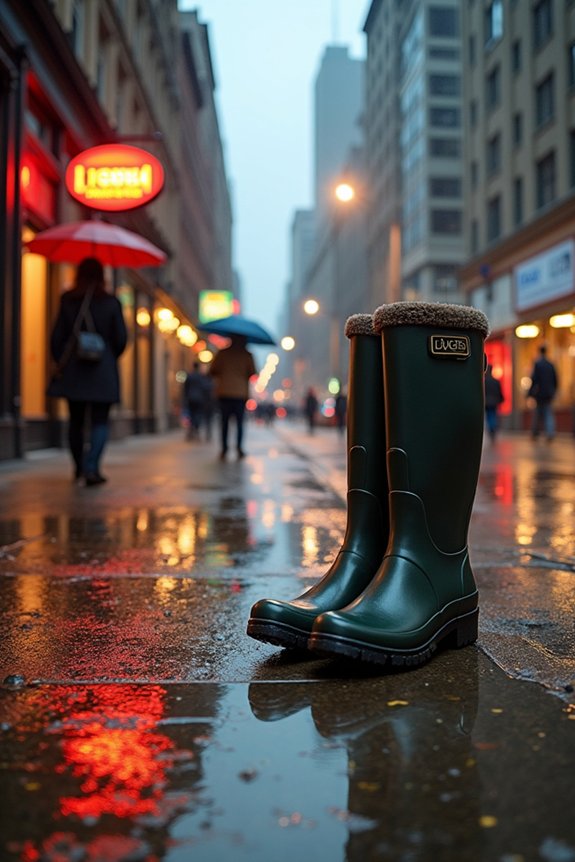
When Chicago’s weather turns unpredictable, I’ve found that lug sole boots are the one footwear choice I can rely on. Their chunky, ridged outsoles grip wet pavement effectively, and I’ve noticed the difference walking along the riverfront during spring showers. These lug soles handle urban weather well—from melting snow to sudden downpours—keeping my feet stable on slick sidewalks. I pair them with jeans or trousers depending on my plans, and they work equally well for both.
What makes them necessary is their waterproof footwear design combined with actual traction. I’ve tested plenty of boots that look good but slip around, yet my lug sole pair keeps me confident navigating gritty streets and variable forecasts. They’re practical, reliable, and make early spring in Chicago manageable.
Compact Accessories: Scarf, Beanie, Gloves
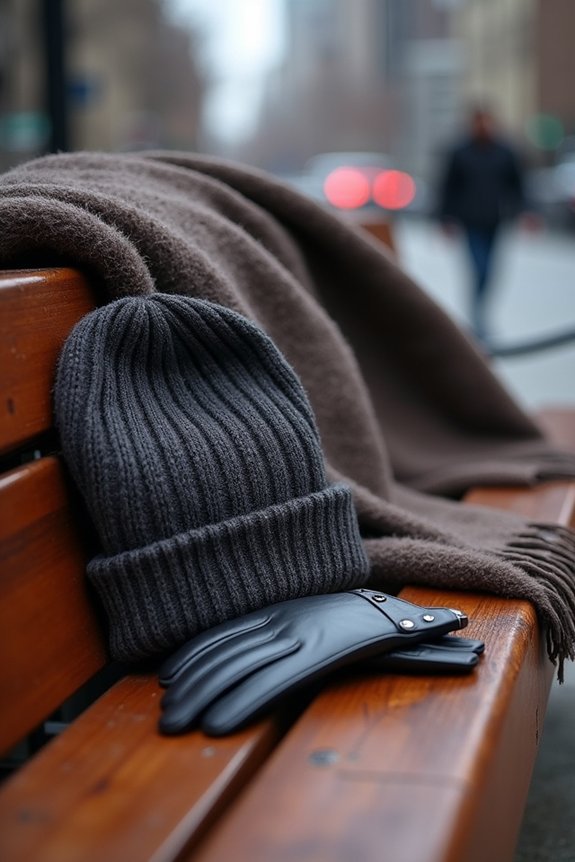
How do you stay warm without feeling weighed down by bulky layers? Three compact accessories work well for Chicago’s shifting weather.
- Beanies retain heat on windy mornings while protecting your hair from drizzle and humidity
- Gloves provide warmth during long walks when temperatures dip into the 40s, keeping your hands functional
- Scarves block wind at your neckline, offering immediate warmth without bulk and doubling as a styling piece
Pack these lightweight items for day trips and city exploration since they take minimal space. A beanie fits in any bag, gloves slip into coat pockets, and a scarf wraps around your neck or drapes over your shoulders. Together, they adjust your warmth quickly when weather shifts unexpectedly. You’ll stay comfortable without sacrificing style or mobility.
Lightweight Base Layers for Unexpected Warmth
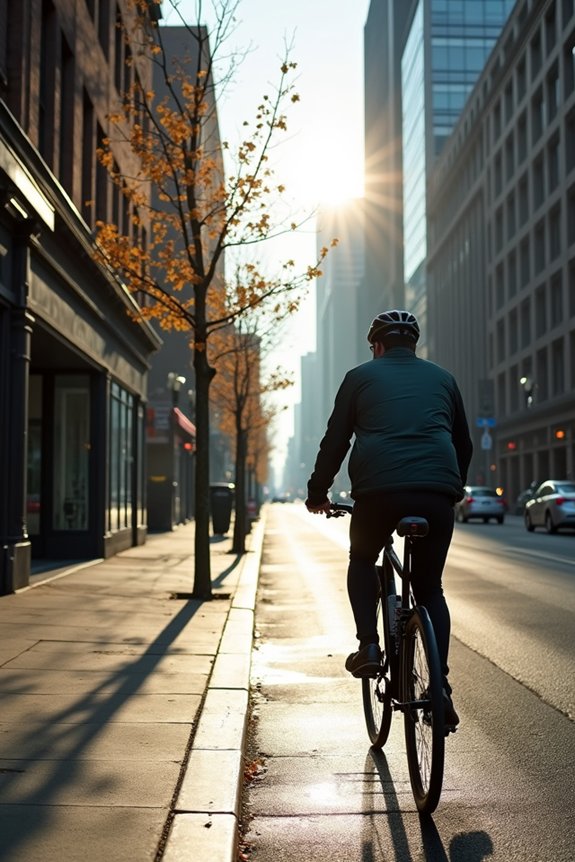
The approach to staying comfortable through Chicago’s temperamental days isn’t adding more layers—it’s choosing the right foundational piece underneath everything else. A fitted lightweight base layer in merino wool or performance blend works well when temperatures shift unexpectedly. These moisture-wicking fabrics pull sweat away from your skin, keeping you dry during mid-morning warmth without feeling bulky under sweaters. A slim silhouette matters too—it lets you layer smoothly without creating bulk or restricting movement. I typically wear mine under my jacket, then tuck it away when it gets warmer. Neutral colors like gray or black maintain a streamlined look while temperature regulation happens quietly beneath. That’s how I’ve stayed comfortable through unpredictable weather without constantly adjusting.
How to Assemble These Pieces Into One Outfit
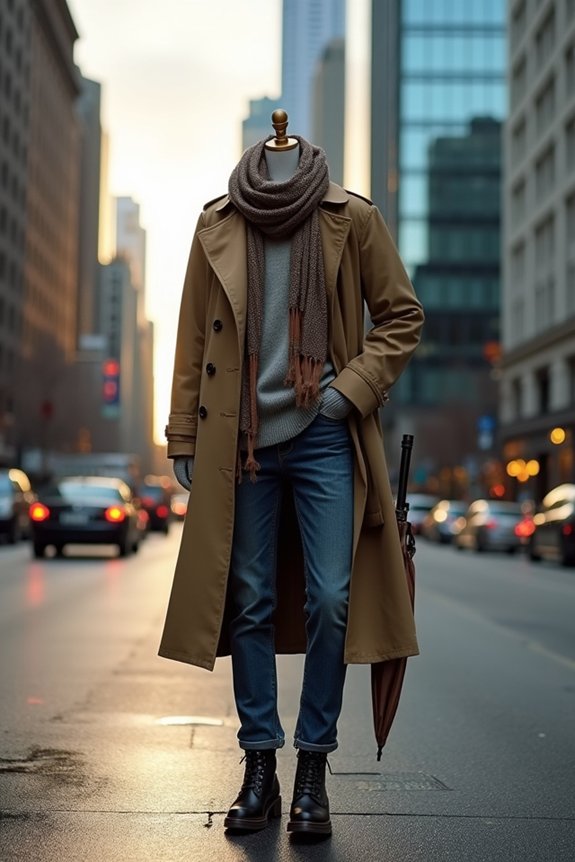
So you’ve got your base layer sorted, but what actually goes on top? I build my outfit like a real packing list, thinking through my actual commute and the day ahead.
Here’s how I layer for Chicago’s swings:
- Start with fitted basics (thin turtleneck or tee), then add a textured mid-layer like corduroy trousers or ribbed knit that won’t bunch under jackets
- Choose one volume piece—a chunky sweater or bulky parka early season—that balances your silhouette without trapping heat
- Finish with a wind-blocking outer layer that you can remove as temperatures shift indoors
I always pick weather-ready footwear with lug soles that handle pavement and slush. My statement accessory—usually a scarf—stays accessible for quick adjustments. This approach keeps me comfortable through unpredictable days without overthinking it.