You’ll want lightweight cotton and linen blends for Barcelona’s 30-35°C summers, plus layering pieces like thin cardigans for variable indoor air conditioning.
Spring and fall temperatures swing between 10-24°C, so pack lightweight jackets and scarves.
Winter calls for merino wool base layers under fitted wool-blend coats.
Choose muted colors—navy, beige, burgundy—that match local style, and grab breathable sneakers for cobblestones.
Don’t forget SPF 50+ sunscreen, polarized sunglasses, and a compact crossbody bag.
Each season has specific fabric weights and combinations that’ll keep you comfortable.
Barcelona’s Climate: What You’re Actually Dealing With
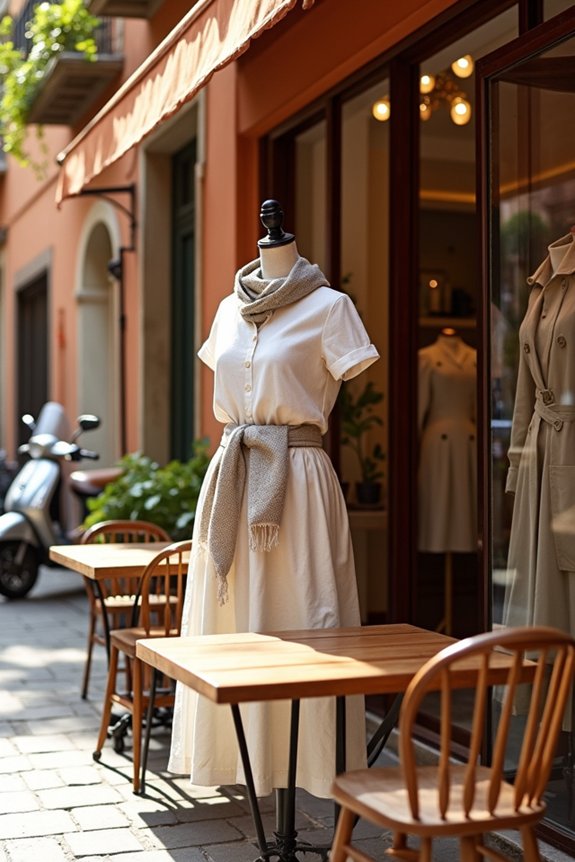
When you’re packing for Barcelona, understanding the weather patterns is half the battle—and honestly, it’s way more varied than most people realize. The city’s Mediterranean climate means you’ll face hot summers hitting 30-35°C (86-95°F) with humidity, yet spring and fall hover around 12-24°C (54-75°F), creating totally different packing needs. Summer rain’s rare—only about three rainy days monthly—but spring and fall surprise you more often, so toss in a compact umbrella. Here’s what gets tricky: indoors, you’ll encounter variable air conditioning and open windows alongside those scorching outdoor days. Breathable fabrics are practical for managing these weather conditions comfortably. You’re dressing for two climates simultaneously, which is why strategic layering is an effective approach for navigating this beautiful city confidently.
Fabrics That Work Year-Round in Mediterranean Heat
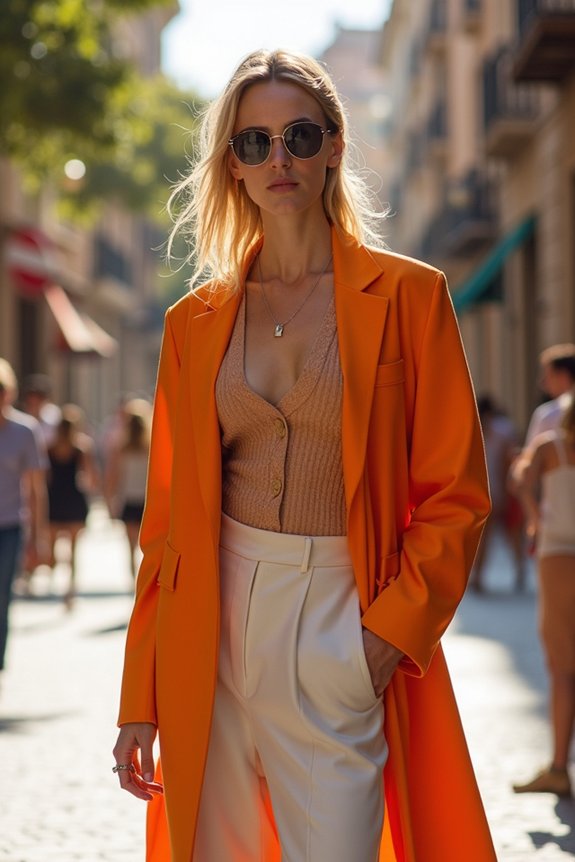
How do you stay comfortable when you’re sweating through Barcelona’s summers but freezing in over-air-conditioned restaurants? The answer lies in choosing the right fabrics that work year-round.
Fabrics for your Barcelona wardrobe:
- Lightweight cotton and linen blends that breathe and drape beautifully
- Lightweight denim in thinner weights for summer comfort
- Natural fibers that resist wrinkles and pair with neutral tones
- Breathable materials offering sun protection during long walks
- Layering pieces like cardigans for temperature shifts indoors and out
Breathable materials work well in this climate. Lightweight fabrics keep air circulating against your skin, preventing that sticky feeling. Linen-blend shirts pack well, maintain their shape, and work from café to beach. Lightweight denim stays popular year-round but lighter weights prevent discomfort in heat. These choices let you dress practically while staying comfortable throughout your day.
Spring and Fall: Layering for Variable Weather
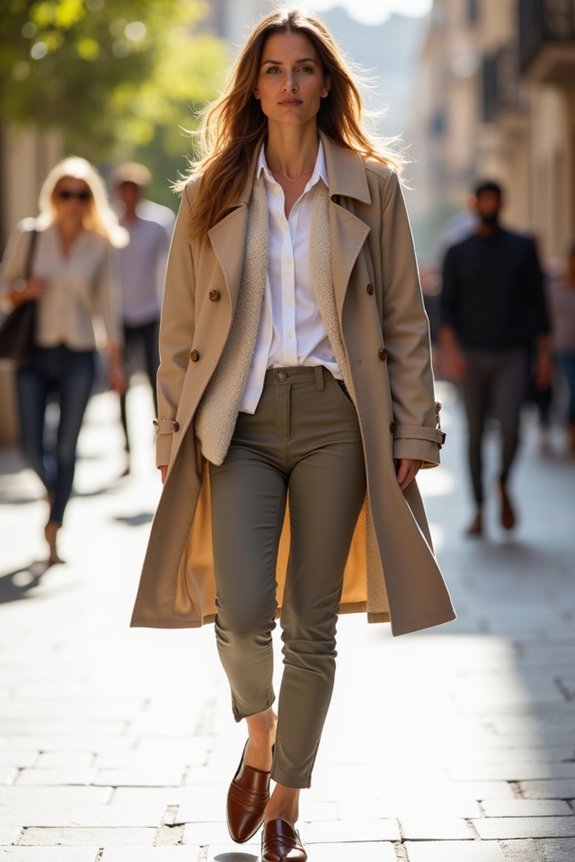
Barcelona’s spring and fall months demand a different strategy than the year-round breathable fabrics we’ve covered, and that’s where layering becomes practical. Temperatures swing between 10°C and 24°C, so you’ll need pieces you can add or remove as the day warms up. Lightweight jackets, long-sleeve shirts, and scarves handle these transitional weather shifts well—mornings feel crisp, but midday sun changes everything. Pair these with jeans or lightweight trousers and comfortable sneakers for navigating cobblestone streets safely. Keep a compact umbrella handy for occasional showers. Stick with neutral, muted tones in grays, blacks, and beiges; you’ll blend seamlessly with local style while staying adaptable to whatever the day throws at you.
Summer Essentials: Breathable Pieces and Smart Colors
When you’re walking Barcelona’s streets in July and August, you’ll want lightweight fabrics like linen and cotton that let your skin breathe, and muted tones—think soft grays, warm beiges, and pale blues—keep you cooler than bright colors while maintaining a polished appearance. Your feet will thank you for skipping flip-flops in favor of breathable sneakers or leather sandals that won’t slip on cobblestones, especially after hours of exploring the Gothic Quarter. Layer a thin cardigan or lightweight shirt over your shorts and tees since mornings and evenings near the beach can feel cool, even when midday heat peaks at 85-90 degrees.
Lightweight Fabrics For Comfort
Why do locals in Barcelona seem so cool during summer months? They’ve mastered lightweight fabrics that work with the heat, not against it.
When temperatures hit 32°C, you’ll want breathable fabrics that keep you comfortable all day. Here’s what actually works:
- Linen pieces that let air flow freely around your skin
- Cotton blends that wick moisture without clinging
- Lightweight denim in thinner weights (not heavy jeans)
- Natural fibers that prevent sweat buildup
- Layerable basics you can adjust as you move between sun and shade
I’ve tested these fabrics extensively in Barcelona’s summer humidity, and linen outperforms heavier options. Your clothes should feel like a second skin, promoting air circulation naturally. This approach keeps you fitting in with local style while staying practical during scorching afternoons.
Muted Summer Color Palette
How you dress in Barcelona’s summer heat reveals whether you’re blending in or standing out—and locals opt for colors that whisper rather than shout. Muted colors are your summer essentials for navigating the city without looking like a tourist. Forget bright neons; instead, reach for soft ochres, warm burgundies, and subtle greens that complement Barcelona’s architecture and surroundings.
| Color | Best For | Pairing |
|---|---|---|
| Ochre | Day outings | Neutral linens |
| Burgundy | Evening transitions | Cream basics |
| Sage green | Casual days | White pieces |
| Taupe | All occasions | Any neutral |
These muted summer essentials layer beautifully and don’t clash with the city’s earthy tones. Sticking to this restrained palette keeps you looking deliberate rather than overdone, which matters when you’re walking Barcelona’s streets daily.
Breathable Footwear Choices
Your feet will thank you once you commit to the right summer shoes for Barcelona’s cobstone streets and heat.
I’ve learned that breathable footwear matters when you’re walking for hours in 22–32°C temperatures. Here’s what actually works:
- Mesh sneakers that dry quickly and grip uneven surfaces
- Strappy sandals paired with casual outfits and evening looks
- Breathable loafers offering sun protection without overheating
- Walking sandals with supportive soles for long days
- Closed-toe options in lightweight materials for foot coverage
Your walking comfort depends on choosing shoes that ventilate properly while staying stable on ancient streets. I skip flip-flops entirely because they don’t provide the grip I need. Strappy sandals work well for both day and night, keeping my feet cool while looking intentional. Mesh sneakers have become my preferred choice for museum days and neighborhood exploring, combining practicality with the casual vibe Barcelona locals embrace.
Winter Basics: Warmth Without Heavy Fabrics
I’ve found that layering works well for Barcelona’s winter, so I start with a lightweight base layer, add a fitted blazer or structured cardigan, and keep a merino wool sweater handy for evenings when temperatures drop. You’ll want to stick with cotton blends and wool rather than puffy coats, since you’re constantly moving between chilly streets and warm indoor cafes with unpredictable heating. Darker colors—charcoal, navy, burgundy—work better than lighter tones during winter months, and they’re practical too because they hide the grime from Barcelona’s cobblestone streets.
Layering For Temperature Control
When Barcelona’s winter temperatures drop to the mid-40s Fahrenheit, you don’t need a puffy coat that weighs five pounds and takes up half your suitcase—instead, layering multiple lightweight pieces gives you warmth without the bulk.
I’ve discovered that smart layering for temperature control means building from the ground up. Here’s what I wear:
- Cotton-wool blend base layer (merino works too) for consistent warmth and breathability
- Thin fleece mid-layer that traps heat while letting me move freely
- Fitted wool-blend coat as my outer shield against wind and rain
- Lightweight scarf for extra insulation around my neck
- Compact gloves and umbrella for accessible protection
This approach lets me adjust easily. If I’m walking, I remove my scarf. Indoors, I shed my coat. You’re not stuck sweating or freezing—you’re in control.
Fabric Weight And Breathability
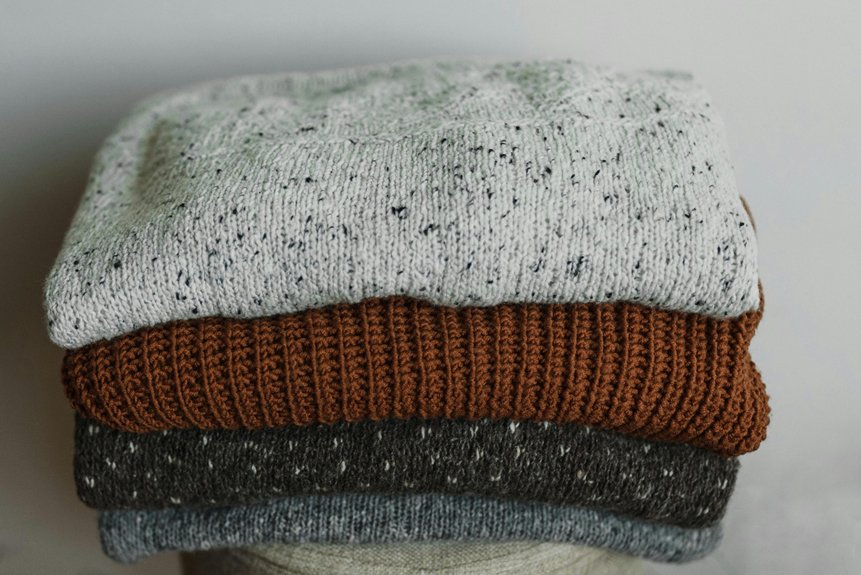
How do you stay warm in Barcelona without lugging around a heavy winter coat? Fabric weight and breathability work together to solve this problem. I’ve learned that mid-weight knits and merino wool keep me comfortable without bulk, and they actually breathe better than thick fabrics do. Cotton blends and lightweight down options trap warmth efficiently while letting moisture escape—important when you’re moving between chilly streets and overheated indoor spaces.
| Fabric Type | Weight | Breathability | Best For |
|---|---|---|---|
| Merino wool | Mid-weight | Excellent | Base layers, sweaters |
| Cotton blend | Light | High | Everyday wear |
| Synthetic insulation | Light | Very good | Fitted jackets |
| Fleece | Mid-weight | Good | Layering pieces |
Avoiding bulky denim helps too. I reach for lightweight wool-blend trousers instead, which give me mobility and comfort throughout my day without feeling restrictive.
Color Choices For Winter Months
Why do Barcelona’s winter streets look so different from other cities? The answer lies in muted tones that locals favor during colder months.
I’ve noticed that winter colors here aren’t bright or bold. Instead, you’ll see:
- Deep greens that match the city’s natural spaces
- Burgundy shades that feel sophisticated and warm
- Ochre tones connecting to Barcelona’s architecture
- Navy and charcoal for versatile layering
- Cream and taupe for neutral foundations
These winter colors work because they’re understated yet intentional. When I wear a burgundy sweater with charcoal trousers, I blend in while looking composed. Muted tones also hide wear better than lighter shades, which matters on cobblestone streets. The palette feels cohesive across neighborhoods, and you’ll notice locals gravitating toward these earth-inspired hues. It’s not about standing out—it’s about belonging to Barcelona’s quiet elegance.
Shoes for Stone Streets, Beaches, and Everything Between
Picking the right shoes for Barcelona might seem straightforward until you’re actually walking those cobblestone streets in La Ciutat Vella and realizing your cute sandals don’t have enough grip.
I’ve learned that footwear practicality matters more than I expected. Here’s what actually works:
| Activity | Best Choice | Why It Works |
|---|---|---|
| City sightseeing | Lightweight sneakers or loafers | Supports long walks on uneven pavements |
| Beach days | Water-friendly sandals or espadrilles | Transitions from sand to cafes seamlessly |
| Summer strolls | Strappy sandals with secure straps | Protective and comfortable for extended wear |
Skip flip-flops entirely—they won’t protect your feet during hours of exploring. Instead, I prioritize closed-toe or secure sandals that combine style with support. Materials that allow airflow keep your feet comfortable in Mediterranean heat, and good grip prevents slipping on wet stone. Local shops showcase options that feel both fashionable and functional, so you’ll fit right in while staying comfortable.
Dressing Like a Local (Without Trying Too Hard)
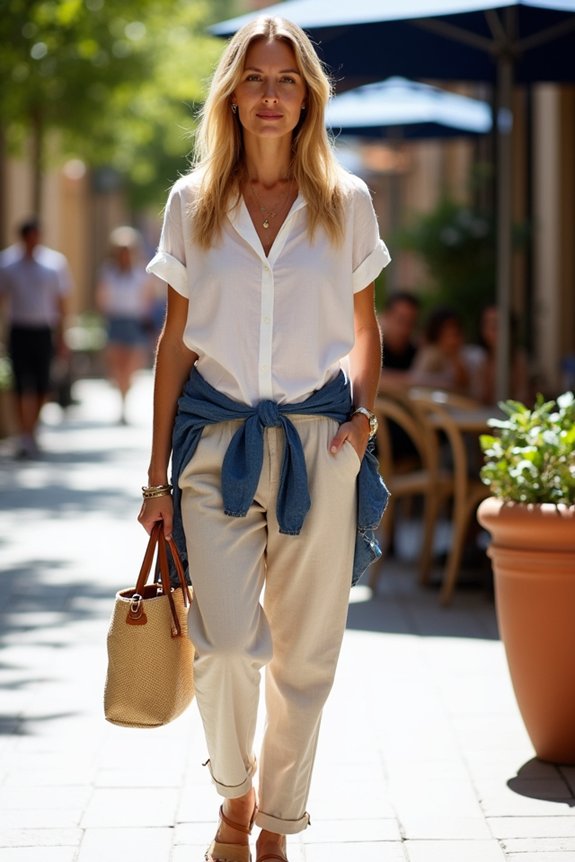
What I’ve noticed walking through Barcelona’s neighborhoods is that locals dress with quiet confidence, not flashy statements. They understand that blending in means choosing muted colors and smart-casual pieces over obvious logos or trendy prints.
Here’s what actually works:
- Lightweight trousers in navy or beige paired with simple tops
- Skirts that hit knee-length with minimal embellishment
- Transitional jackets for layering through temperature shifts
- Sneakers or flat shoes designed for cobblestone navigation
- Wraps or cardigans that feel natural, not overdone
I’ve learned that locals from Mango and Massimo Dutti shops gravitate toward coordinated outfits rather than statement pieces. The goal isn’t standing out; it’s fitting naturally into the city’s rhythm. When you prioritize practical, understated clothing, you’re not trying too hard—you’re simply dressing like you belong there.
Barcelona Dress Codes: What to Wear Where
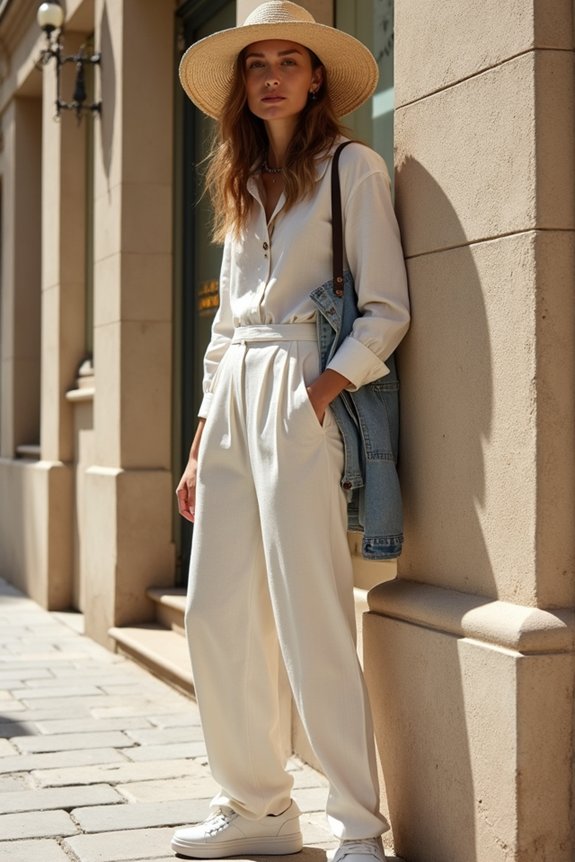
Once you understand Barcelona’s neighborhoods, you’ll realize that dress codes shift depending on where you’re going, and getting it right means respecting both the city’s culture and your own comfort. Churches require modest coverage—men wear long trousers, women cover their shoulders. Business settings call for lightweight suits or conservative dresses paired with blazers. Tourist areas and nightlife demand smart-casual outfits, so skip flip-flops and wear stylish footwear instead. Your footwear matters everywhere; grippy soles handle cobblestones better than slick bottoms. Locals favor muted, autumnal colors in coordinated outfits, avoiding bright patterns. Understanding these unwritten rules helps you blend in naturally rather than standing out as a visitor. You’re not following rules—you’re joining the community.
Business Meetings in Heat: Professional Fabrics for Summer
When you’re heading into summer business meetings in Barcelona, lightweight suit fabrics like linen blends and tropical wool keep you looking sharp without the heaviness that comes with standard suiting. Your shirt choice matters just as much, and cotton-blend materials that wick moisture and resist the wrinkles that humidity loves to create work well for dress shirts. These fabric combinations let you stay professional and comfortable when temperatures climb above 30°C, so you’re not constantly tugging at your collar or worrying about sweat marks during important presentations.
Lightweight Suit Fabrics
Summer business meetings in Barcelona demand fabrics that won’t leave you drenched halfway through your presentation, and I’ve found that lightweight wool, tropical wool blends, linen blends, and cotton blends work well for staying both professional and comfortable.
These breathable weaves promote airflow, so you’re not clinging to your jacket by noon. I typically choose unlined or half-lined jackets with higher thread counts—they maintain a sharp look without trapping heat. Light colors like beige, light gray, and sand reflect warmth effectively.
Key fabric choices:
- Tropical wool for durability and breathability
- Linen-blend suiting for natural texture
- Cotton-blend options for softness
- Moisture-wicking linings for sweat management
- Higher thread counts for structured appearance
Pair these with cotton dress shirts, and you have the foundation for a refined appearance while staying cool during those lengthy afternoon meetings.
Summer Shirt Materials
How do you keep a dress shirt looking crisp when you’re sweating through Barcelona’s summer heat? I’ve found that lightweight, breathable fabrics work well during long business meetings. Cotton poplin shirts remain crisp while allowing air to flow through, keeping me cooler than standard cotton. Cotton-linen blends are preferable—they’re lighter and dry faster, which I appreciate when moving between meetings across the city.
I avoid heavy fabrics that trap heat and moisture. Instead, I look for shirts with breathable finishes and looser weaves. These materials wick sweat away from my skin, so I stay comfortable without looking wrinkled by afternoon. The fit matters too; slightly roomier cuts prevent clinging while maintaining professionalism. These choices help me remain composed throughout Barcelona’s intense summer days.
Accessories, Sun Protection, and Final Touches
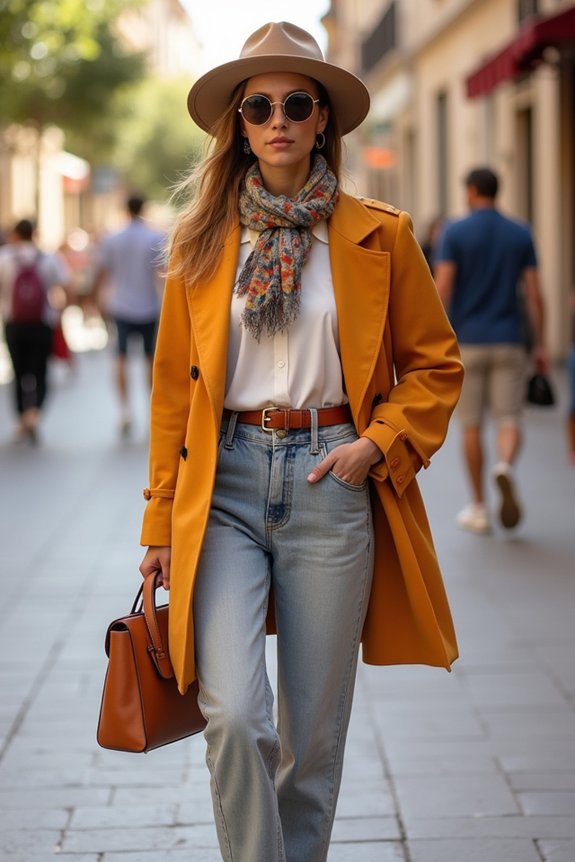
The right accessories and sun protection aren’t just nice-to-haves in Barcelona— they’re essentials that’ll actually make your trip more comfortable and safer.
The right accessories and sun protection aren’t just nice-to-haves in Barcelona—they’re essentials for a comfortable, safer trip.
I’ve learned that protecting yourself from the Mediterranean sun means layering your defense. Here’s what I carry daily:
- Wide-brimmed sun hat (3-4 inches all around) for genuine face and neck coverage
- Polarized sunglasses that reduce glare on stone streets
- SPF 50+ sunscreen applied every two hours
- Refillable water bottle to stay hydrated during long walks
- Lightweight scarves and cord necklaces for versatility
I pair these with a small crossbody bag with a zipper—it keeps my belongings secure while I’m navigating crowded plazas. These accessories transition smoothly from daytime sightseeing to evening strolls, and they’ve helped me explore the city with less concern about sun damage or pickpockets.