I’ve learned that layering wins in Alaska’s September weather. Start with moisture-wicking base layers, add mid-weight fleece (200–300 grams), then top with a waterproof, hooded shell. Waterproof hiking boots with aggressive tread and tall Merino wool socks keep your feet dry during shore hikes. A 20L daypack with built-in rain cover protects your camera gear and batteries for capturing fall colors and aurora. Binoculars, a lightweight tripod, and extra memory cards round out your kit. These ten essentials work together, with each playing its own important role in keeping you comfortable and equipped.
Waterproof Jacket: Essential for September’s Rain and Wind
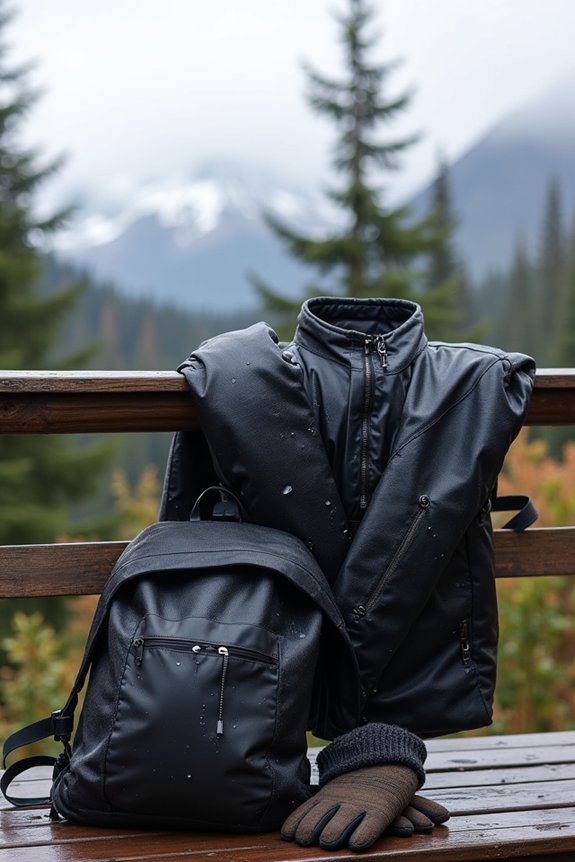
Because Alaska’s weather shifts so quickly in September, you’ll want a waterproof jacket that actually works when the rain hits. A quality waterproof-breathable shell keeps you dry during those sudden showers, and a hooded jacket gives extra protection from ocean spray during shore excursions. The hood matters more than you’d think when mist rolls in unexpectedly.
What makes a difference is pairing your rain protection with mid-layers underneath. This layering approach lets you adapt fast as temperatures swing between morning chill and afternoon warmth. A fitted jacket with wind protection works best, especially in northern areas where cool breezes pick up. You’re investing in gear that handles September’s unpredictability, so you can focus on exploring instead of staying dry.
Base Layers: Moisture-Wicking Fabrics That Keep You Dry
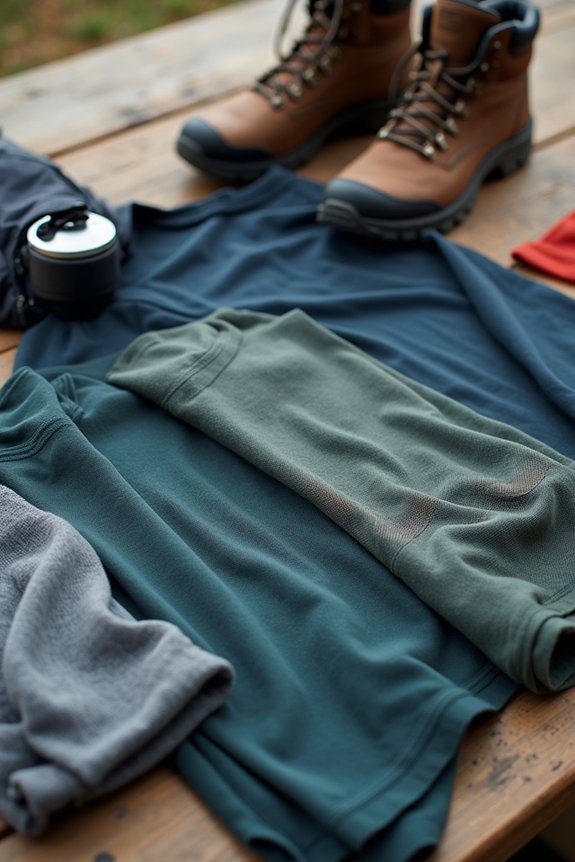
Your waterproof jacket handles the rain, but what’s underneath matters just as much for staying comfortable in September’s temperature swings. I’ve learned that moisture-wicking base layers are non-negotiable for Alaska trips. Lightweight long underwear made from merino wool or synthetic blends pull sweat away from your skin, keeping you dry during shore excursions and multi-hour hikes. These quick-dry fabrics perform well when sea spray hits or sudden rain catches you off-guard.
The layering strategy’s simple: start with snug-fitting base layers that transfer moisture efficiently, then add a mid-weight sweater or fleece on top. This approach gives you mobility without bulk, important for deck activities and uneven terrain. Merino wool insulates even when wet, while synthetics dry faster. I’ve found this combination beats cotton every time—you’ll stay warm, comfortable, and dry throughout your adventure.
Mid-Layer Fleece: Insulation That Packs Small and Dries Fast
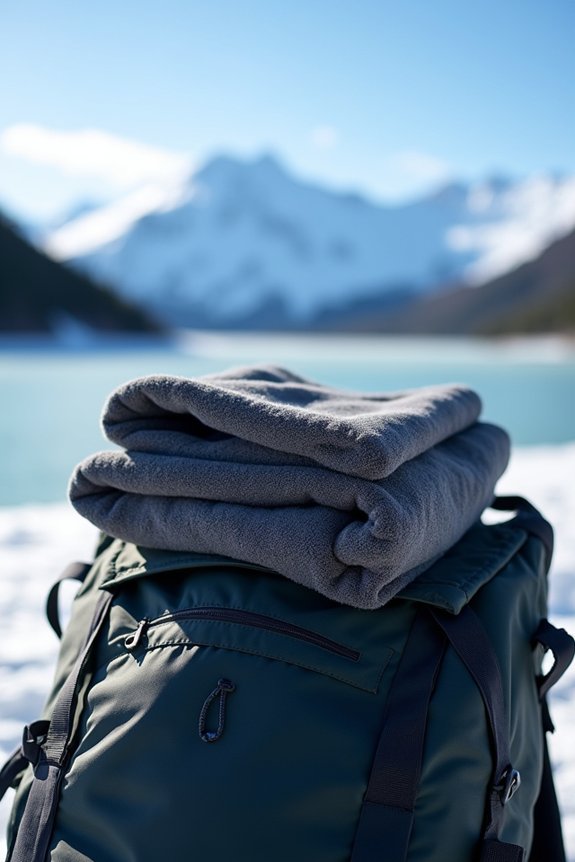
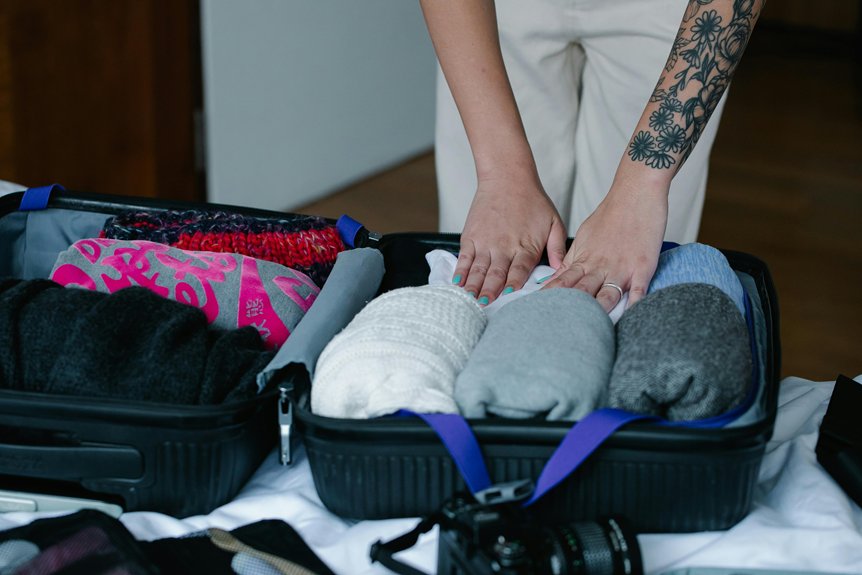
I’ve found that a quality mid-weight fleece—typically 200 to 300 grams of polyester or poly-blend fabric—compresses into roughly the space of a rolled-up sweater, which saves serious luggage room on your flight. The fleece works best when layered between your moisture-wicking base layer and your waterproof shell: it breathes while trapping warm air, and because it dries in 2 to 4 hours (compared to cotton’s all-day dampness), you can rinse it in your cabin sink and wear it again the next morning. I rotate between neutral charcoal and deep blue pieces because they work equally well hiking in Denali or relaxing on deck, plus they hide stains better than lighter colors during those unpredictable September weather swings.
Lightweight And Packable
How do you stay warm without hauling around a puffy jacket that takes up half your backpack? A packable mid-layer fleece solves this problem. I’ve tested several options during Alaska trips, and I always choose lightweight fleece that compresses smaller than a water bottle. Look for materials with excellent breathability so moisture escapes during boat tours and hiking. Quick-drying fabrics matter because September weather shifts constantly, and you’ll sweat under layers then cool down fast. The best mid-layer fleece fits snugly under rain shells without creating bulk, letting you move freely while trekking. I prefer darker colors or snag-resistant patterns since they hide wear from outdoor activities. This combination—lightweight, packable, and functional—keeps you comfortable through Alaska’s unpredictable temperatures without sacrificing pack space.
Quick-Drying Performance Fabrics
When you’re layering for Alaska’s September coast, the fabric itself matters between staying comfortable and feeling clammy. I’ve found that quick-drying fabrics work when rain hits during kayaking trips or mist rolls across the deck. Moisture-wicking performance outerwear pulls sweat away from your skin, so you stay dry even under your rain shell. A breathable fleece with solid moisture management won’t trap odors over multi-day cruises, which matters when you’re sharing tight cabin spaces. These fabrics dry fast after spray or showers, letting you layer confidently throughout variable coastal weather. Pair your performance fleece with a windproof outer shell, and you’ll handle sudden temperature shifts during shore excursions without feeling weighted down. That’s the practical advantage here—staying warm while moving freely.
Versatile Temperature Regulation
Why does a mid-layer fleece matter more than most people realize when you’re packing for Alaska? Because September’s unpredictable weather demands smart layering, and a quality fleece does exactly that. I’ve learned that mid-layer fleece provides solid insulation while staying lightweight—no bulk means more room in your luggage and better mobility during shore excursions.
| Feature | Benefit | Experience |
|---|---|---|
| Quick-drying fabric | Comfort in damp conditions | Stays dry after mist exposure |
| Lightweight insulation | Temperature regulation | Adapts to cool mornings, warm afternoons |
| Breathable construction | Core warmth preservation | Works under windproof outer shell |
Two to three different fleece weights let you adapt instantly as conditions shift. Pairing your mid-layer with a windproof outer shell creates the versatility you need for coastal and interior routes, keeping you comfortable throughout the day.
Waterproof Hiking Boots: Grip and Dryness
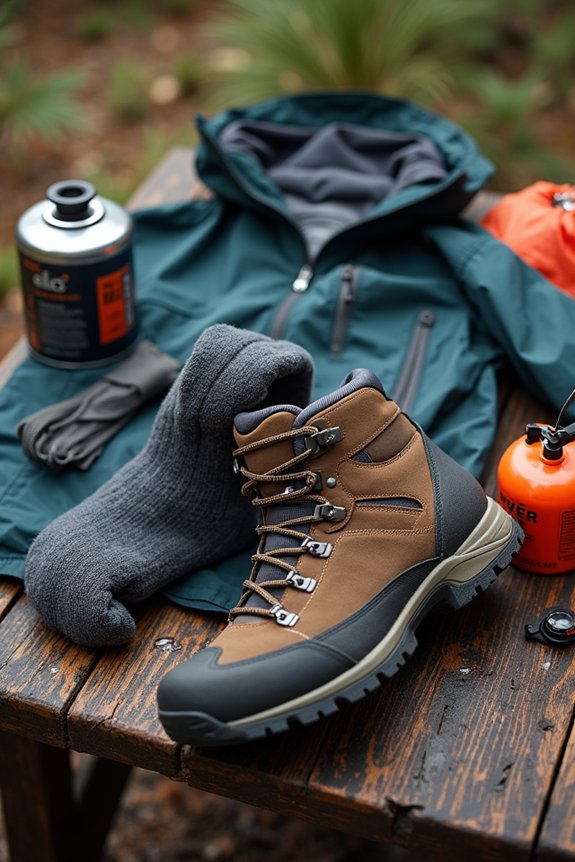
I’ve learned that September rain in Alaska demands boots with aggressive tread patterns—think deep lugs spaced about a quarter-inch apart—because wet boardwalks and muddy inlets will otherwise slip right out from under you. You’ll want a waterproof membrane like Gore-Tex that actually breathes, so your feet don’t turn into swollen prunes after six hours of hiking, and a quick-drying collar construction keeps that cold moisture from settling around your ankles when you’re crossing inlet streams. The ankle support matters more than you’d expect on uneven coastal terrain, especially when you’re tired and your foot placement gets sloppy on those slick root systems.
Traction On Wet Terrain
How do your feet stay dry and steady on Alaska’s slick trails? I’ve learned that waterproof boots with aggressive tread patterns are necessary for September hiking. The right footwear makes treacherous terrain more manageable.
Here’s what I prioritize when tackling wet ground:
- Non-slip outsoles with deep lugs grip mud and wet rocks, preventing slips on coastal trails and boggy areas near glaciers
- High-ankle support stabilizes your foot on uneven, slippery surfaces, reducing ankle strain during multi-day excursions
- Moisture-wicking socks paired with waterproof uppers keep feet dry and warm throughout day hikes
I’ve tested countless boots, and I can tell you that breaking them in before your trip prevents blisters. The combination of quality traction and supportive construction means you’ll navigate wet terrain with confidence.
Keeping Feet Dry Always
The constant moisture in Alaska’s September surroundings—rain, glacier spray, creek crossings, and boggy tundra—means wet feet aren’t just uncomfortable, they’re a real problem that can derail your entire trip. I’ve learned that proper footwear is important on those long shore excursions.
Waterproof boots with solid grip keep your feet dry when you’re navigating slick rocks and muddy trails. I pair mine with moisture-wicking socks, always packing extra pairs because damp conditions create blisters fast. Adding gaiters around your ankles prevents water from splashing up during stream walks, and they’re small enough to pack easily.
Breaking in your boots beforehand matters too. Wear them at home for a few weeks, and you’ll walk through Alaska’s wettest days without discomfort holding you back.
Merino Wool Socks: Moisture Management
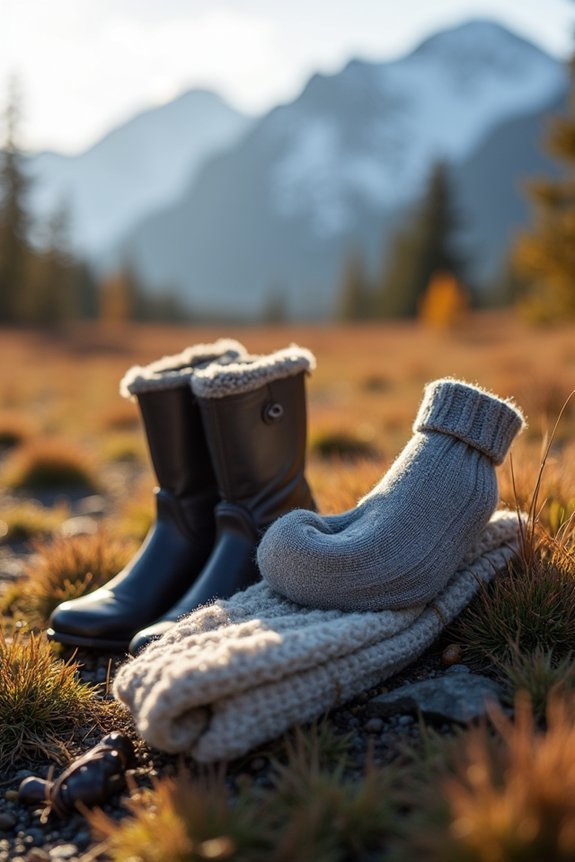
Why do your feet feel soaked after just a few hours of hiking in September’s unpredictable Alaska weather? Merino wool socks handle moisture management differently than cotton—they actually pull sweat away from your skin instead of trapping it. I’ve tested this repeatedly during long wildlife viewing days, and the difference is real.
Here’s what makes Merino wool work for us:
- Moisture-wicking fibers draw perspiration outward, keeping your feet dry even during intense activity
- Quick-drying performance means your socks dry faster than synthetic alternatives, reducing blister risk
- Odor resistance keeps your feet fresher across multiple hiking days without constant washing
Pack three to four pairs of tall, cushioned Merino wool socks, plus sock liners to reduce friction. Pair them with waterproof boots and Merino base layers for complete layering protection. Your feet stay comfortable when moisture management functions smoothly.
Winter Hat and Gloves: Protection for Early Morning and Evening
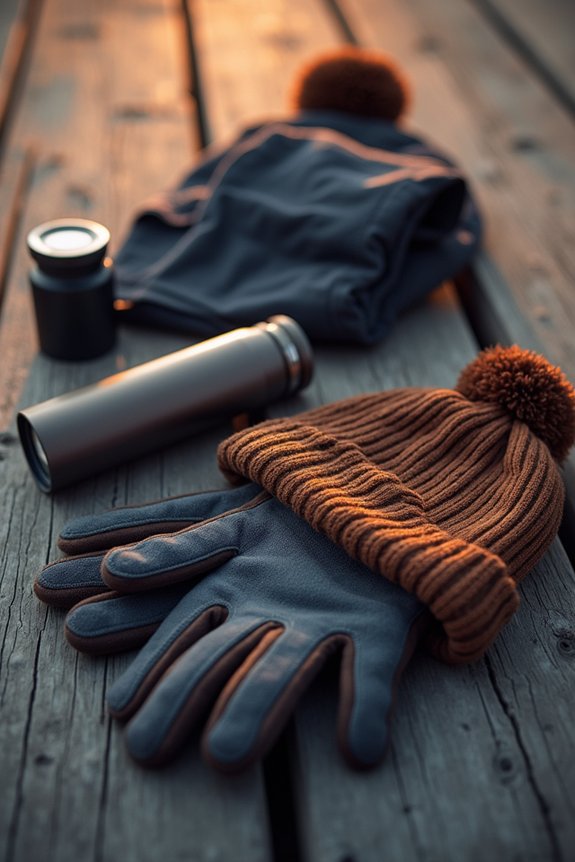
Ever notice how your ears start burning within minutes of stepping outside on a September Alaskan morning, even when the rest of your body feels warm? I’ve learned that a quality winter hat and insulated gloves aren’t optional—they’re necessary for staying comfortable during early morning wildlife viewing and evening hikes.
| Feature | Winter Hat | Insulated Gloves |
|---|---|---|
| Material | Merino wool blend | Waterproof synthetic |
| Benefit | Breathable warmth | Moisture-wicking |
| Fit | Snug around ears | Flexible fingers |
| Use | Layering base | Active protection |
I rely on layering a warm beanie with my insulated gloves because fluctuating September temperatures demand adaptability. Breathable, moisture-wicking fabrics keep me dry during shore excursions without overheating. These items complement my outer layers effectively, reducing heat loss while I’m actively exploring. They’re the difference between enjoying Alaska and counting minutes until I’m back inside.
Daypack With Rain Cover: Pack Light and Stay Dry
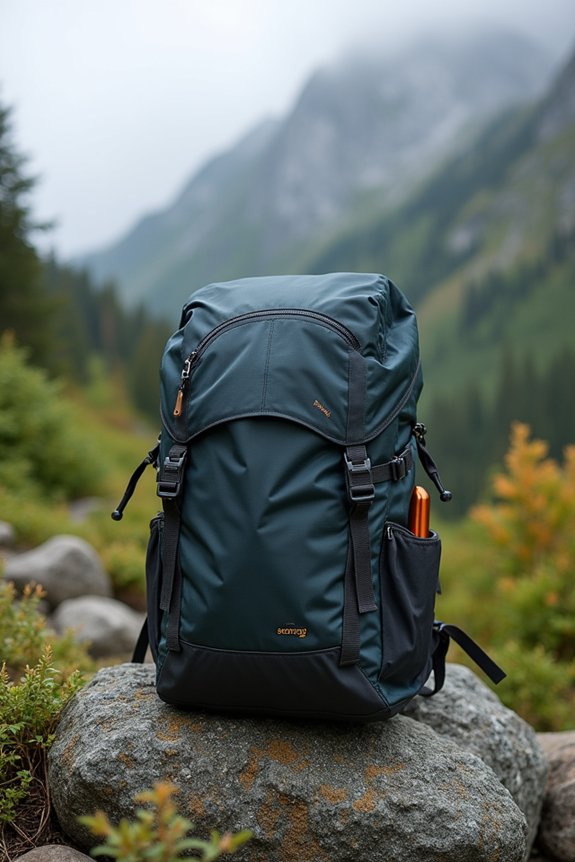
I’ve learned that a 20L daypack with a built rain cover keeps my gear dry during Alaska’s unpredictable September weather, and the multiple compartments let me organize my camera gear, snacks, and emergency items without digging through one big jumble. Multiple pockets mean I can stow sunscreen, insect repellent, and a water bottle where I’ll actually find them during shore excursions, which beats having everything crammed together. The rain cover itself is compact enough that it doesn’t add much weight, yet it’s protected my extra layers and electronics on wet hikes.
Weather Protection Essentials
A quality daypack with a built-in rain cover is your best friend in September Alaska, and I’ve learned this after several soggy trips. Layering strategically keeps you comfortable when weather shifts unpredictably throughout the day.
Here’s what I pack every time:
- A lightweight, breathable waterproof rain jacket shell paired with waterproof pants for reliable protection without feeling bulky
- Extra layers that compress easily, like a fleece or light insulated mid-layer, ready to add under my rain shell when temperatures drop
- Quick-drying footwear with good traction plus moisture-wicking clothing that keeps you comfortable during coastal hikes
Your daypack itself should be waterproof or lined with a drybag inside to protect cameras, binoculars, and electronics from moisture. I’ve seen too many ruined phones and cameras to skip this step.
Choosing The Right Pack
When you’re picking a daypack for September in Alaska, what really matters is finding one that handles moisture without weighing you down. I’d recommend a 20L capacity pack—it’s the sweet spot for daily excursions. Look for waterproof materials or one with a rain cover included, because those frequent showers aren’t negotiable.
The best daypacks feature multiple compartments, which keeps your layers, snacks, and camera gear organized and accessible. Ergonomics matter too; you’ll wear this pack for hours while spotting wildlife, so shoulder straps and back padding should feel supportive, not uncomfortable.
Throw a drybag inside for electronics and documents. This extra protection gives you peace of mind when you’re scrambling over rocky terrain or standing near glacial meltwater. You’re investing in both comfort and safety here.
Organization For Day Trips
How do you actually keep your stuff dry without lugging around a massive, heavy pack? I’ve found that a 20L daypack paired with a quality drybag makes shore excursions more manageable.
Here’s what I pack for September’s unpredictable weather:
- A waterproof drybag inside my daypack protecting electronics and gear from moisture
- Extra layers, a rain jacket, and hat/gloves for variable temperatures during day trips
- A compact umbrella or rain cover that stays accessible without adding bulk
I organize everything using packing cubes, which keeps my extra layers compressed and easy to locate. The drybag holds my camera and phone safely, while my rain jacket stays on top for quick access. This setup means I’m prepared for frequent showers without feeling weighed down, letting me focus on wildlife viewing and enjoying Alaska’s landscape.
Binoculars (Optional): Essential for Wildlife Viewing
Why do so many Alaska visitors regret not bringing binoculars? You’ll spot whales, eagles, and bears from safe distances that bare eyes simply can’t match. I’ve found that 10x magnification with a 25mm objective lens gives you the sweet spot for Alaska September viewing. Look for waterproof gear because coastal conditions get damp and unpredictable. The glare and visibility challenges from water reflections are real—a quality lens cloth keeps things clear when sun bounces off the ocean. Rugged, comfortable models work best during extended windy sessions on ships or shorelines. Pack extra batteries for extended use. Binoculars let you observe wildlife respectfully while still capturing those important moments. You’ll understand why experienced visitors consider them essential, not optional.
Sunscreen and Bug Spray: Double Defense
Two protections stand between you and Alaska’s outdoor challenges in September, and I’ve learned they’re both non-negotiable. You’ll want sunscreen with high SPF and insect repellent working together because the weather shifts unpredictably, and you’re exposed during shore excursions and deck time.
Two protections stand between you and Alaska’s outdoor challenges in September: high SPF sunscreen and insect repellent working together.
I pack DEET 30-40% or picaridin for mosquitoes, especially early September when they’re still active. The sunscreen prevents UV damage while you’re focused on wildlife and scenery, not your skin. Wind protection matters too—I always bring lip balm since September’s variable conditions chap lips fast.
Here’s what keeps me comfortable:
- High SPF sunscreen for deck and excursion time
- DEET insect repellent in compact form
- Lip balm plus water bottle for hydration and wind protection
These items belong in your pack so you can enjoy Alaska without distraction.
Camera With Extra Batteries: Capture Fall Colors and Aurora Moments
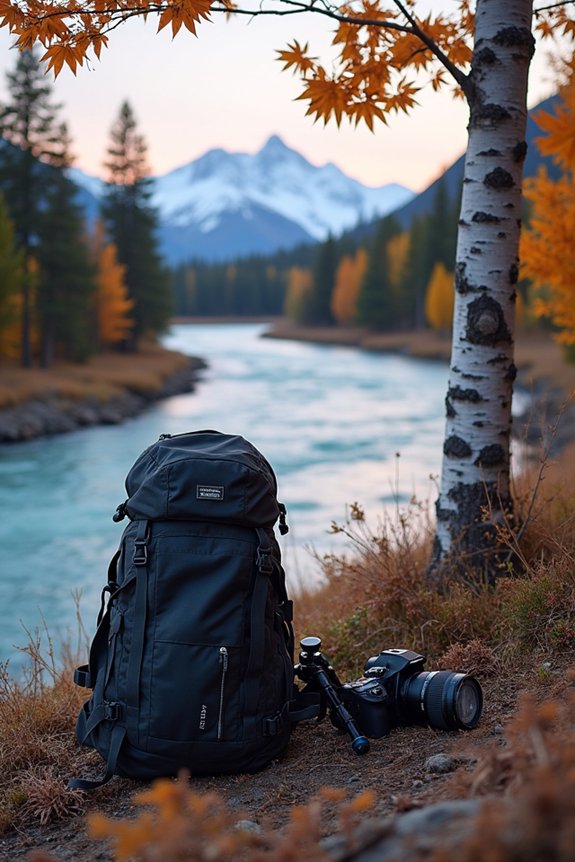
September in Alaska demands a camera setup that won’t quit, and I’ve learned this the hard way after countless trips where I’ve run out of battery power mid-aurora or missed wildlife shots because my memory card filled up. I now pack extra batteries and multiple memory cards as non-negotiables, and it’s improved my photography experience.
Your camera gear needs protection too. I invested in a weatherproof bag with sealed compartments, and it’s saved my equipment during constant coastal rain and sea spray. A versatile zoom lens covers both distant wildlife and sweeping fjord landscapes beautifully, while a lightweight tripod stabilizes those low-light aurora and twilight shots that September’s longer nights offer.
A portable charger keeps everything powered during long excursions, so you can capture fall colors and celestial moments without interruption.