Pack a hard-shell rolling suitcase, lightweight breathable clothes, and reef-safe sunscreen with SPF 50—mineral formulas work best. Bring UV400 polarized sunglasses, water shoes for rocky terrain, and a reusable water bottle to stay hydrated in heat. Don’t forget a waterproof phone case, compact umbrella for sudden showers, and a first-aid kit tailored to ocean injuries. Moisture-wicking layers and a quick-dry windbreaker handle elevation changes well. These items keep you protected, comfortable, and prepared for whatever the islands present.
Determine What to Pack Based on Your Trip Type and Duration
How do you even know where to start when you’re staring at your open suitcase? Your trip type is important to consider. If you’re heading to a beach resort, focus on swimwear, reef-safe sunscreen, and water shoes for protection. For outdoor adventures, you’ll want a lightweight jacket and versatile layers. Island hopping requires everything—plus a compact packing list to stay organized.
Duration matters too. A week-long trip means you can rewear items, so I prioritize quality basics. I always pack dressy-casual resort wear for dinners, mixing it with my everyday pieces. The key is choosing items that work together, so you’re not lugging unnecessary clothes. This approach lets you pack strategically while keeping your suitcase manageable.
Choose Lightweight, Breathable Clothing for Warm Days
Lightweight, breathable clothing works best in Hawaii’s warm, humid climate, and this lesson came from packing too many heavy fabrics on my first trip. Moisture-wicking tops like tank tops and short-sleeve tees keep you cool when sweat builds up fast, and quick-drying bottoms such as linen pants or nylon shorts beat jeans every time. I always pack sun protection garments—a long-sleeved UPF shirt and lightweight coverup—because sunburns ruin vacations. Breathable fabrics let air flow around your skin instead of trapping heat, which matters during outdoor activities. Dresses and caftans work double duty as beachwear and dinner outfits, so you pack less overall. This approach keeps you comfortable and your luggage manageable.
Plan Layers and Rain Gear for All Elevation Zones
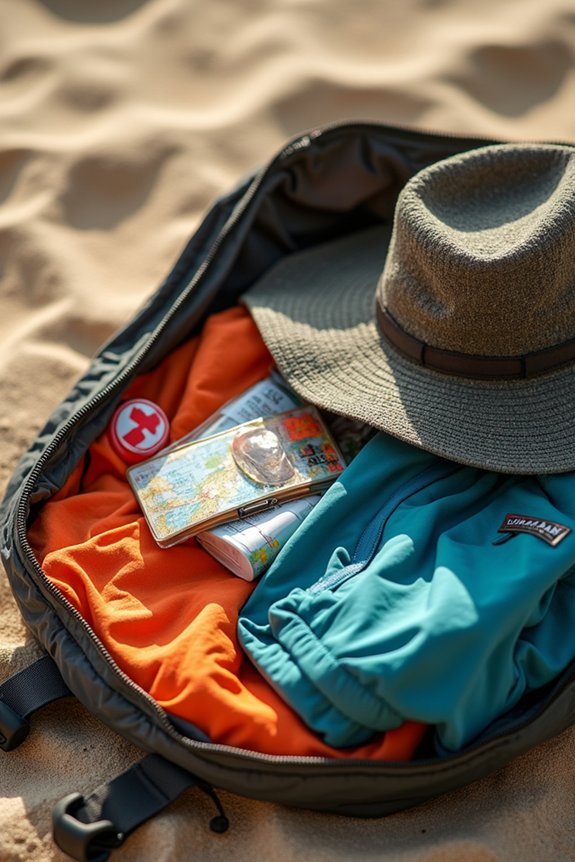
While most of Hawaii stays warm and sunny, the islands’ volcanic peaks create dramatically cooler zones that’ll catch you off guard if you’re not prepared. I pack layering strategically for elevation zones—moisture-wicking base layers first, then a lightweight insulation piece like a thin fleece, topped with a water-resistant windbreaker. This approach lets me adjust quickly as I move between coastal warmth and mountain chill.
Rain gear matters too. I bring a compact, light shell that stuffs into my day pack without taking space. Quick-dry apparel saves me from uncomfortable dampness during sudden showers. Multiple light layers work better than one heavy jacket because I can remove what I don’t need, and they pack smaller. This system keeps me comfortable across Hawaii’s varied terrain.
Pick the Right Luggage Before You Decide What Fits
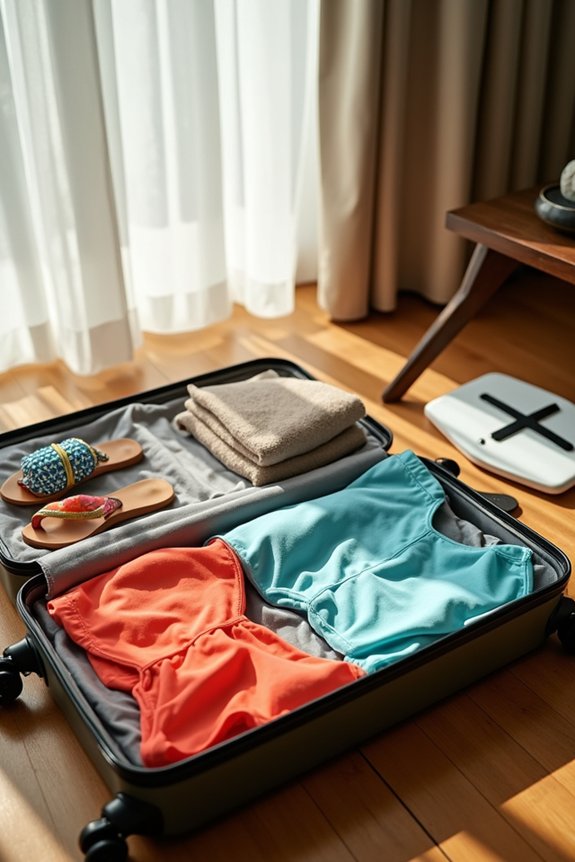
Before you start folding clothes, I’d grab a hard-shell rolling suitcase with a front-opening design—something like the LEGEND WALKER 26-inch or Hanke 24-inch with aluminum frames—because you’ll actually see what you’re packing and can access items without unzipping the entire case at security. Soft-shell luggage might squeeze in extra souvenirs from your trip, but hard shells resist getting crushed in overhead bins and keep their shape better, which matters when you’re moving between islands. I’ve found that lightweight models like the Travelpro Maxlite 5 at 22 inches work well for Hawaii packing, and choosing the right bag first means you won’t overpack just because space exists.
Hard-Shell vs Soft-Shell
How do you know which luggage type actually works better for a Hawaii trip? I’ve tested both, and here’s what matters: hard-shell luggage resists water and friction better in humid environments, while soft-shell bags hold more stuff because they’re flexible. Front-opening hard-shell designs like LEGEND WALKER and Travelpro offer better packing efficiency and quick airport navigation. I prefer hard-shell top-opening styles for stability, though soft-shell options expand nicely when you’ve bought extra souvenirs.
| Feature | Hard-Shell | Soft-Shell |
|---|---|---|
| Luggage Durability | Excellent | Moderate |
| Packing Efficiency | Very High | High |
| Travel Protection | Superior | Good |
| Capacity | Fixed | Expandable |
| Front-Opening Design | Common | Rare |
Your choice depends on whether you prioritize protection or flexibility.
Top-Opening Design Benefits
Why does luggage design matter so much when you’re packing for Hawaii? I’ve learned that top-opening luggage affects how I travel. Unlike traditional side-opening styles, my top-opening bag lets me access items without unpacking everything—an advantage when I’m moving between beach days and hiking adventures. The front-opening designs, like those from LEGEND WALKER, work well at security checkpoints and hotel rooms where space feels tight. I can load bulky beach gear and hiking boots from the front, maximizing interior space while keeping my packing strategy organized. The easy-glide wheels paired with sturdy hinges handle airport baggage handlers and rough pavement without complaint. When I’m juggling Hawaii’s mixed activities, this accessibility means I’m not digging through layers searching for sunscreen or my hiking socks.
Lightweight Models And Features
Once you’ve picked a luggage style that works for your packing method, the weight of the bag itself becomes your next big decision. I’ve noticed that lightweight luggage makes navigating Hawaiian airports easier, especially when you’re moving between terminals or rental car lots.
The Travelpro Maxlite 5 22-inch model weighs just 6.8 pounds, which I’ve found matters more than you’d think after eight hours of travel. Front-opening designs like this let you access items without unpacking everything, and expandable compartments give you flexibility without adding bulk.
Durable wheels matter too—you’ll want ones that roll smoothly across airport tile and gravel parking areas. When I tested lightweight luggage with quality wheels, I felt more rested at the hotel, which meant more time enjoying Hawaii instead of feeling travel-worn.
Select Reef-Safe Sunscreen and UV-Protective Sunglasses
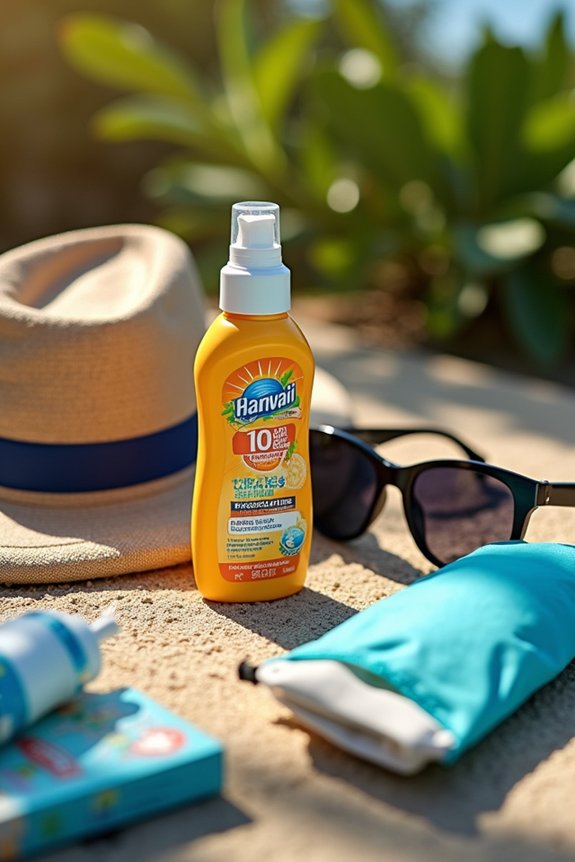
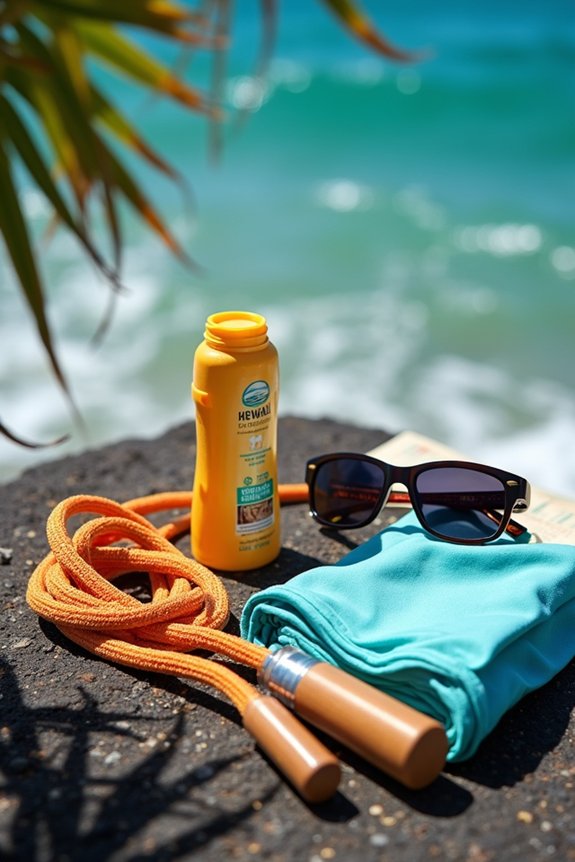
When you’re packing for Hawaii, reef-safe sunscreen and UV-protective sunglasses are practical necessities that protect both your skin and the ocean you’ll be enjoying. For sunscreen, I recommend mineral formulas with zinc oxide or titanium dioxide instead of chemical ingredients that damage coral, and brands like Blue Lizard Sensitive Mineral SPF 50 and Neutrogena Beach Defense work reliably without harming marine ecosystems. Polarized sunglasses like SOJOS Small Round Classic or Ray-Ban RB2186 with G-15 lenses cut water glare effectively and offer UV400 protection, which reduces eye strain during long beach days when the reflection gets intense.
Reef-Safe Sunscreen Essentials
How do you protect both your skin and Hawaii’s coral reefs at the same time? I’ve found the answer through reef-safe sunscreen, and I want to share what’s worked for me during countless beach days.
Here’s what I pack:
- Blue Lizard Sensitive Mineral SPF 50 Lotion for daily UV protection without harsh chemicals
- Neutrogena Beach Defense SPF 50 Spray for quick reapplication between activities
- Neutrogena Beach Defense Lotion SPF 50 as my backup option
Hawaii restricts certain sunscreen chemicals because they damage coral reefs, so choosing reef-friendly formulations matters. I always purchase locally when unsure about specific brands, and the staff can guide you toward options that work. Your skin gets complete protection, and the reefs stay healthy—it’s a practical solution for everyone visiting these islands.
UV Protection Eyewear Options
Your skin’s protected with reef-safe sunscreen, but your eyes need just as much attention under Hawaii’s intense sun. Polarized lenses reduce glare when you’re spending hours on the water or sand, allowing you to see clearly. The SOJOS Small Round Classic Polarized Sunglasses with UV400 protection stay put during sweating, which is useful when you’re active. Ray-Ban RB2186 with G-15 lenses offer another solid choice, and both come with protective cases and cleaning cloths.
| Eyewear Option | Key Feature | Best For |
|---|---|---|
| SOJOS Round Polarized | UV400, sweat-resistant | Water activities |
| Ray-Ban RB2186 | G-15 lenses, classic style | All-day wear |
| Any polarized pair | Glare reduction | Beach comfort |
Pair your UV protection sunglasses with reef-friendly products and sun-protective accessories like wide-brim hats for complete eye and skin defense.
Protect Your Lips and Sensitive Areas Year-Round
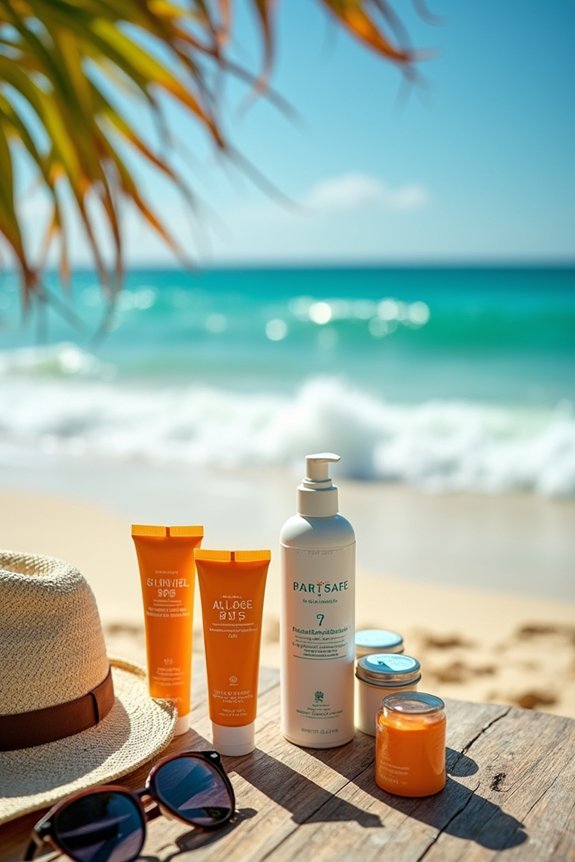
Hawaii’s intense sun doesn’t just affect your skin—it wreaks havoc on lips and delicate areas that most people forget about until they’re already burned. I’ve learned this the hard way, and now I’m intentional about protecting vulnerable spots year-round.
- Carry a lip balm SPF 30 or higher like COOLA Lip Balm SPF 30 in your bag and reapply every two hours, especially after swimming or eating.
- Apply reef-safe sunscreen with broad-spectrum SPF to exposed areas before heading outside, then reapply after water activities to maintain continuous UV exposure protection.
- Pack a compact TSA-friendly first-aid kit with extra SPF lip balm and hypoallergenic moisturizer to combat wind and dryness in Hawaii’s varied conditions.
I’ve noticed that protecting these spots keeps me comfortable throughout my trip.
Choose Versatile Footwear for Beach and Land Activities
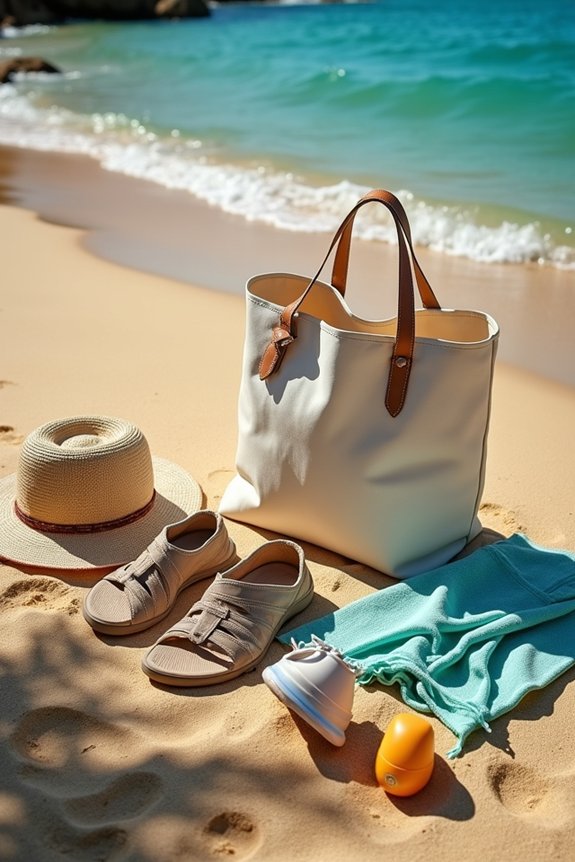
When it comes to footwear in Hawaii, I’ve learned that packing the right shoes matters way more than I originally thought. You’ll want versatile footwear that handles both beach and land activities without weighing down your luggage. I bring water shoes for rocky lava terrain and quick-drying properties, plus comfortable sneakers for hiking trails and dinner outings. A third pair of lightweight slip-ons rounds out my collection nicely.
Closed-toe protection matters on muddy ridgelines and uneven ground, so I’ve ditched bulky boots for waterproof hiking shoes with solid traction instead. The key is choosing sandals that transition seamlessly from beach to town, keeping your total footwear to three pairs maximum. This approach lets me explore confidently while packing light.
Bring a Reusable Water Bottle to Stay Hydrated
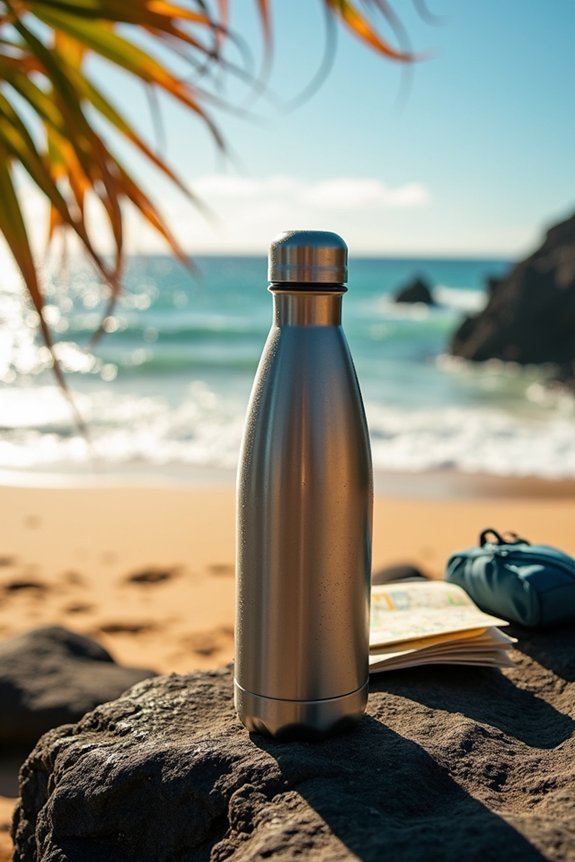
How’d I get through my first Hawaii trip without proper hydration? I learned quickly that staying hydrated matters when you’re exploring all day. That’s why a reusable water bottle belongs on your Hawaii packing list.
Staying hydrated matters when exploring all day—a reusable water bottle belongs on every Hawaii packing list.
Here’s what I recommend:
- Insulated, slim-design bottles keep drinks cold during long beach walks and plane rides, plus they fit easily in day packs
- Foldable or collapsible options save luggage space while helping you reduce plastic waste throughout your trip
- Standard 16–24 oz capacity works perfectly for refills at water stations, cafes, and hotel rooms
I’ve tested this approach, and it works. A reef-safe reusable water bottle supports ocean protection by preventing single-use plastic litter on beaches and in the water. You’ll stay hydrated, pack smarter, and protect Hawaii’s reefs at the same time.
Pack a Waterproof Phone Case and a Compact Umbrella
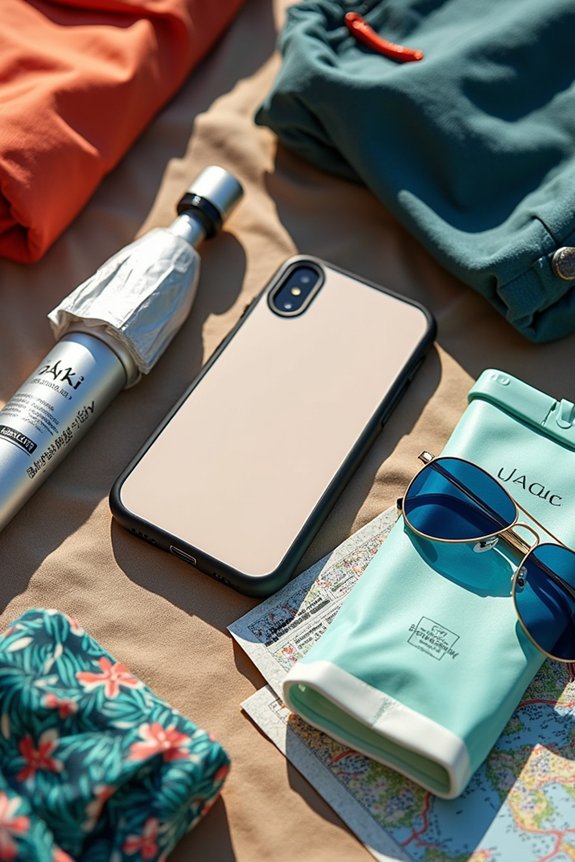
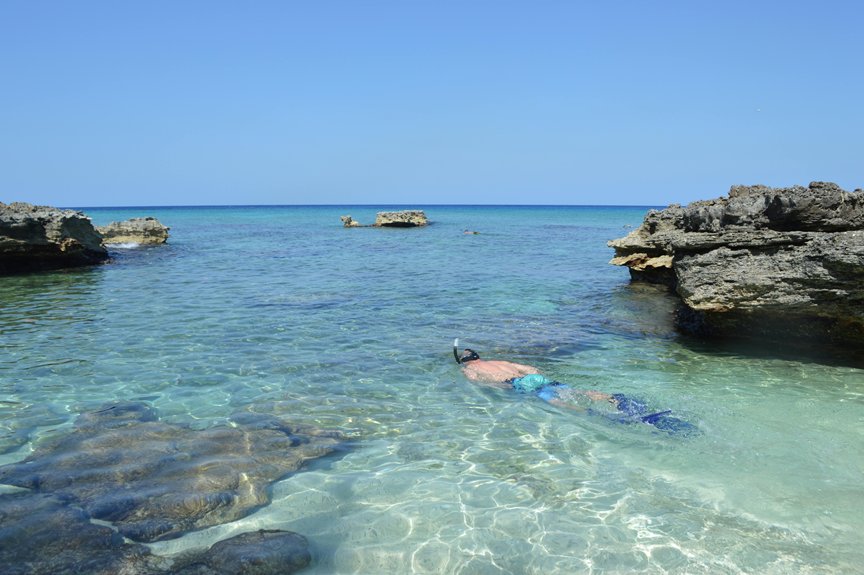
Your phone’s worst enemy in Hawaii isn’t the sun—it’s water, and I learned this the hard way during my first snorkeling trip. I now always pack a waterproof phone case rated IPX8, which protects my device from splashes, rain, and submersion up to specific depths. I look for cases with secure latches and touchscreen access so I can capture photos without removing it. A compact umbrella complements my waterproof protection strategy for sudden showers, and I toss it into my beach tote alongside my phone case. Both items weigh next to nothing, yet they’ve prevented water damage and costly repairs. On beach days, having reliable waterproof protection means I’m not worried about my phone—I’m actually enjoying Hawaii with everyone else.
Assemble a First-Aid Kit for Hawaii’s Specific Hazards
I’ve learned that Hawaii’s environment demands a first-aid kit tailored to ocean injuries, tropical insects, and intense sun exposure—not just a standard drugstore box. When you’re snorkeling or hiking, you’ll encounter sharp reef cuts, insect bites from mosquitoes and centipedes, and UV rays that penetrate clouds faster than you’d expect, so I pack SPF 30+ reef-safe sunscreen, hydrocortisone cream, antibiotic ointment, adhesive bandages, and aloe vera specifically for these hazards. Between water activities and the island’s heat, I’ve found that reef-safe insect repellent and extra lip balm with SPF help prevent most minor issues before they worsen.
Ocean And Water Injuries
When you’re planning water activities in Hawaii—whether snorkeling at Hanauma Bay or paddling near the coast—a waterproof first-aid kit isn’t optional, it’s necessary. I’ve learned this lesson the hard way after a reef encounter left me unprepared.
Your kit should include:
- Sting relief and hydrocortisone cream for jellyfish or sea urchin injuries, plus tweezers for removing stingers
- Reef-safe sunscreen, antiseptic wipes, and blister care items in a waterproof bag you can actually seal
- A CPR barrier device and local emergency contact numbers written on waterproof paper
I keep my supplies in a compact dry bag that fits in my beach backpack without adding bulk. The reef safety gear matters most—you’ll appreciate having proper sting relief within arm’s reach when you need it, not back at your hotel.
Tropical Insects And Stings
How prepared are you for Hawaii’s tiny but persistent nuisances? I’ve learned that mosquitoes thrive in humid areas near sunset and water, so I pack insect repellent containing DEET or Picaridin—it’s effective. I also bring antihistamine cream and hydrocortisone cream for inevitable bites, plus sting relief products if I’ve experienced severe reactions before.
Here’s what actually works: I wear long sleeves and pants during evenings, stay on clear trails, and skip high-scent products that attract insects. I’ve found that lightweight, breathable fabrics keep me cool while protecting my skin. For sleeping, I use netting over my bed or tent.
After-bite calamine or aloe vera soothes discomfort quickly. These aren’t glamorous additions to my packing list, but they’ve prevented minor irritations from ruining my trips.
Sun Exposure And Heat
While bug bites’ll fade in a few days, sunburn’s a whole different beast—it can actually ruin your entire trip, so you’ve got to take Hawaii’s sun seriously. I learned this the hard way my first visit, and now I’m religious about sun protection.
Here’s what I pack:
- Reef-safe sunscreen SPF 30+ applied every two hours, especially after swimming
- UPF clothing like rashguards and swim shirts that dry quickly, paired with a wide-brim hat for face and neck coverage
- A hydration bottle (at least 32 ounces) filled with water to drink consistently throughout the day
Polarized sunglasses protect your eyes during hikes and boat trips, and honestly, they make the ocean views even better. I’ve found that staying hydrated actually prevents heat exhaustion more effectively than anything else I’ve tried.