
Landing your dream job starts before you even walk into the interview room. What you wear sends a powerful message about your professionalism, attention to detail, and understanding of workplace culture. We know that choosing the perfect interview outfit can feel overwhelming, especially when you’re already managing pre-interview nerves.
The right outfit doesn’t just make you look professional – it boosts your confidence and helps you make that crucial first impression. We’ve seen countless women struggle with wardrobe decisions that could make or break their chances of success. Should you go with a classic blazer or try something more modern? What colors convey authority without being too bold?
We’re here to eliminate the guesswork and transform your interview wardrobe anxiety into confidence. From timeless professional looks to industry-exact styling tips, we’ll guide you through creating outfits that showcase your best professional self while staying true to your personal style.
Understanding the Importance of First Impressions in Job Interviews
First impressions form within the initial 7 seconds of meeting someone, according to research from Princeton University. We can’t overstate how crucial these opening moments are during job interviews, where hiring managers begin evaluating candidates before any words are exchanged.
Visual appearance contributes to 55% of all communication during face-to-face interactions. Our outfit choices directly influence how interviewers perceive our competence, attention to detail, and cultural fit within their organization. Professional attire signals that we understand workplace expectations and respect the interview process.
Confidence levels increase by 23% when we wear clothing that makes us feel professionally prepared, studies from Northwestern University reveal. This psychological boost translates into better interview performance, clearer communication, and stronger responses to challenging questions. We project authority and credibility through thoughtful wardrobe selections.
| Research Finding | Impact on Interview Success |
|---|---|
| 7-second first impression window | Initial judgment forms before speaking |
| 55% visual communication influence | Appearance affects overall perception |
| 23% confidence boost from appropriate attire | Better interview performance |
| 73% of hiring managers notice inappropriate dress | Negative impact on candidacy |
Hiring managers remember candidates who dress inappropriately 73% more often than those who dress professionally, according to CareerBuilder surveys. We risk becoming memorable for the wrong reasons when our outfit choices distract from our qualifications and skills. Poor wardrobe decisions can overshadow impressive resumes and stellar interview responses.
Company culture assessment begins with our appearance choices during interviews. We demonstrate our ability to integrate into existing teams and represent the organization professionally through strategic outfit selection. Industry-appropriate attire shows we’ve researched the role and understand professional standards within that exact field.
Recovery from negative first impressions requires eight subsequent positive interactions to overcome, workplace psychology research indicates. We can’t afford to start interviews at a disadvantage when competition for positions remains fierce across most industries. Strategic outfit planning eliminates unnecessary barriers to interview success.
Researching Company Culture and Dress Code Expectations

Understanding company culture before your interview transforms your outfit selection from guesswork into strategic planning. We recommend starting your research at least a week before your interview to allow adequate time for outfit preparation and any necessary shopping.
Start with Digital Investigation
Begin by thoroughly examining the company’s website, paying close attention to employee photos, team pages, and company events galleries. Social media platforms like LinkedIn, Instagram, and Facebook offer authentic glimpses into daily workplace attire through candid employee posts and company updates.
Connect with Current Employees
Reach out to current employees through LinkedIn or professional networks to gain insider perspectives on dress code expectations. Most professionals are willing to share brief insights about their workplace culture, especially when approached respectfully with exact questions about interview attire.
Observe Office Environment
Visit the company’s office location during business hours if possible, positioning yourself in the lobby or nearby coffee shops to observe employees entering and leaving. This direct observation provides the most accurate understanding of actual dress code practices versus stated policies.
Analyze Industry Standards
Research typical dress codes within your target industry, as certain sectors maintain exact expectations regardless of individual company cultures. Tech companies often embrace casual attire, while finance and law firms typically require business formal appearance.
Review Job Posting Clues
Examine the job posting language for cultural indicators such as “fast paced startup environment” suggesting casual dress or “client facing role” implying business formal requirements. Company values statements and mission descriptions also reveal cultural priorities that influence dress code expectations.
Ask Your Recruiter
Contact your recruiter or HR representative directly about appropriate interview attire, as they possess insider knowledge about company expectations and can provide exact guidance customized to your interview situation.
Classic Business Professional Outfit Ideas

We’ve identified three foundational professional looks that consistently make positive impressions across conservative industries and traditional corporate environments.
The Traditional Suit Ensemble
Traditional suits remain the gold standard for interview attire at conservative companies. We recommend choosing a pant suit or skirt suit in dark colors like black or navy blue for maximum versatility. Light colored blouses or shirts underneath help soften the overall appearance while maintaining professionalism.
Navy blue suits offer exceptional versatility since they pair well with white, cream, or light blue shirts. Black suits create a more formal impression and work particularly well for finance, law, or executive positions. Minimal accessories enhance these looks without creating distractions during your interview.
Fit matters significantly more than brand names when selecting your suit pieces. Customized jackets should sit smoothly across your shoulders without pulling or bunching. Professional appearance increases when pants hit at the right length and skirts fall at or just below the knee.
Blazer and Dress Pants Combination
Customized dress pants paired with coordinating blazers create polished yet approachable looks. We suggest wide leg or straight leg pants in dark colors for the most flattering silhouette. Fitted blouses or button up shirts in neutral or soft shades complete this versatile combination.
This outfit style works across multiple industries while providing comfort during lengthy interview processes. Dark gray, charcoal, or navy pants offer flexibility when paired with matching or complementary blazers. Neutral colored tops like ivory, light gray, or soft pink add sophistication without overwhelming your overall presentation.
Fabric choice impacts your comfort and appearance throughout the day. Quality wool blends maintain their shape better than synthetic materials. Wrinkle resistant fabrics help you look fresh even after traveling to your interview location.
Conservative Dress with Blazer
Knee length conservative dresses paired with blazers offer feminine yet professional styling options. We recommend neutral tones like black, navy, or gray for maximum interview appropriateness. Blazers add necessary structure and formality to dress based looks.
This combination works particularly well for companies valuing traditional appearances. Solid colored dresses without busy patterns keep focus on your qualifications rather than your outfit. Sleeve length should extend at least to your elbows for conservative interview settings.
Strategic layering with blazers provides temperature control and professional polish. Structured blazers in matching or complementary colors elevate simple dresses into interview ready ensembles. Classic lapel styles maintain timeless appeal across different company cultures and industries.
Business Casual Interview Outfit Options

While business professional attire works well for traditional industries, many companies today embrace a more relaxed approach to workplace dress. We’ve curated these versatile business casual combinations that strike the perfect balance between professionalism and approachability.
Smart Blouse and Customized Trousers
Combining a well-fitted blouse with customized trousers creates our most versatile business casual foundation. We recommend selecting neutral colors like black, navy, or gray for maximum adaptability across different company cultures. Modest necklines and sleeves ensure your blouse maintains professional standards while allowing your personality to shine through.
Layering becomes essential with this combination, as adding a blazer or cardigan instantly elevates the look’s professionalism. We suggest choosing blouses in high-quality fabrics that won’t wrinkle easily during your interview day. Closed-toe shoes like polished flats or low heels complete this smart ensemble without overwhelming your overall presentation.
The beauty of this outfit lies in its adaptability – you can easily adjust the formality level by swapping accessories or adding structured pieces. We’ve found this combination works particularly well for companies in creative industries or modern corporate environments that value both professionalism and personal expression.
Cardigan and Pencil Skirt Look
Creating a balanced business casual look becomes effortless when we pair a knee-length pencil skirt with a neat blouse and cardigan. This combination offers a softer, more approachable aesthetic compared to traditional blazer looks while maintaining the polish necessary for interview success.
Skirt selection requires careful attention to both length and fit – we recommend choosing styles that reach at or just above the knee and allow comfortable movement throughout your interview. The cardigan serves as our secret weapon, providing the structure of professional outerwear while creating a more relaxed atmosphere than formal blazers.
We particularly love this outfit for less formal companies where approachability matters as much as competence. Clean, closed-toe shoes and minimal jewelry complete the look without competing for attention. This ensemble demonstrates your understanding of business casual dress codes while showing respect for the interview process.
Professional Sweater and Chinos
Pairing a fine-knit sweater with well-fitted chinos offers our most comfortable business casual option for companies with relaxed dress codes. We recommend selecting sweaters in neutral or subdued tones that convey professionalism without appearing overly casual or bulky.
Chino selection becomes crucial for maintaining the professional edge of this combination. We suggest choosing dark shades like navy, charcoal, or deep brown to anchor the outfit’s sophistication. The key lies in avoiding oversized or bulky knits that might undermine your professional presentation.
This look excels at balancing comfort with competence, making it ideal for companies that prioritize workplace culture and employee satisfaction. We complete this ensemble with closed-toe shoes that complement the relaxed yet polished aesthetic. The combination shows you understand modern workplace dynamics while respecting interview formality.
Creative Industry Interview Outfit Inspirations

Creative industries offer more flexibility for personal expression while maintaining professional standards. We’ll explore three sophisticated approaches that balance artistic flair with interview appropriate attire.
Stylish Blazer with Fashion-Forward Accessories
A well-customized blazer in navy or charcoal creates the perfect foundation for creative industry interviews. We recommend pairing your blazer with a light-colored blouse or shirt to soften the overall look and maintain approachability. Fashion-forward accessories become your opportunity to showcase personality without compromising professionalism.
Refined jewelry pieces and unique accessories add that essential creative touch interviewers expect in these industries. Neutral leather handbags complement the sophisticated aesthetic while court shoes complete your polished ensemble. This combination ensures you’ll project both creativity and competence in professional settings where artistic sensibility matters.
Modern Dress with Statement Pieces
Knee-length shift dresses or pencil skirt styles in classic colors like black or navy provide an excellent canvas for creative expression. We suggest incorporating statement pieces such as bold earrings or fashionable belts to enhance your outfit’s visual appeal. These carefully chosen elements demonstrate your understanding of design principles while keeping the look interview appropriate.
Quality over flashiness becomes crucial when selecting statement accessories for your dress ensemble. Avoid overly trendy or distracting items that might overshadow your qualifications during the interview process. Your goal is to create memorable visual interest that supports rather than competes with your professional credentials.
Trendy Separates with Professional Polish
Mixed separates offer the ultimate flexibility for expressing creativity while maintaining professional standards. Customized trousers or skirts paired with blazers or cardigans allow you to customize your look based on the exact company culture. Choose neutral tones and quality fabrics that photograph well and feel comfortable throughout long interview processes.
Smart flats or moderate heel shoes complete your trendy separates ensemble while ensuring comfort during extended conversations. Well-fitted pieces boost confidence and convey professionalism, particularly important in companies with casual or semi-formal dress codes. This approach works exceptionally well when you’ve researched the company’s exact creative environment and want to align your style accordingly.
Essential Wardrobe Pieces Every Woman Should Own for Interviews

Building a versatile interview wardrobe doesn’t require countless pieces. We recommend focusing on key items that can be mixed and matched to create multiple professional looks.
Investment Blazers in Versatile Colors
Blazers serve as the cornerstone of professional interview attire, instantly elevating any outfit while projecting confidence and competence. We recommend investing in classic colors like black, navy, or dark gray as these versatile pieces work across conservative, business casual, and formal interview settings.
Well-fitted blazers can be paired with dress pants, skirts, or dresses to create multiple outfit combinations from a single piece. Navy blazers offer the most versatility, working seamlessly with both neutral and subtle color palettes while maintaining a professional appearance.
Black blazers provide timeless sophistication and work particularly well in conservative industries like finance or law. Dark gray options offer a modern alternative that pairs beautifully with both warm and cool-toned pieces in your wardrobe.
Quality matters significantly when selecting blazers, as a well-constructed piece will maintain its shape and professional appearance through multiple wears and cleanings.
Quality Dress Pants and Skirts
Customized dress pants form the foundation of countless professional outfits, making them essential for any interview wardrobe. We suggest choosing black or navy options as these colors provide maximum versatility and can be styled for various interview scenarios.
Well-fitted dress pants should allow comfortable movement while maintaining a polished silhouette throughout the interview process. Wide-leg pants are currently popular and offer a modern yet professional appearance that works well in contemporary workplace environments.
Knee-length skirts or those slightly above the knee in neutral colors complement blazers perfectly while maintaining appropriate modesty. Professional skirts should allow comfortable sitting and walking, ensuring you can focus on your qualifications rather than adjusting your outfit.
Pencil skirts offer a classic silhouette that works well with blouses and blazers, while A-line styles provide more movement and comfort for longer interview processes.
Professional Blouses and Tops
Light-colored blouses serve as the perfect foundation for layering under blazers while maintaining a crisp, professional appearance. We recommend button-up shirts in white, cream, or soft pastels as these colors photograph well and convey trustworthiness.
Modest necklines and well-fitted tops with sleeves convey professionalism while allowing your qualifications to take center stage. Blouses should fit properly through the shoulders and bust without pulling or gaping when you move or sit.
Professional tops in casual company settings can be paired with cardigans or lightweight jackets to soften the overall look while maintaining polish. Quality fabrics like cotton blends or silk create a refined appearance that photographs well and feels comfortable throughout long interview days.
Sleeve length matters significantly in professional settings, with three-quarter or full sleeves generally being more appropriate than sleeveless options for interview situations.
Color Psychology and What Your Outfit Choice Communicates
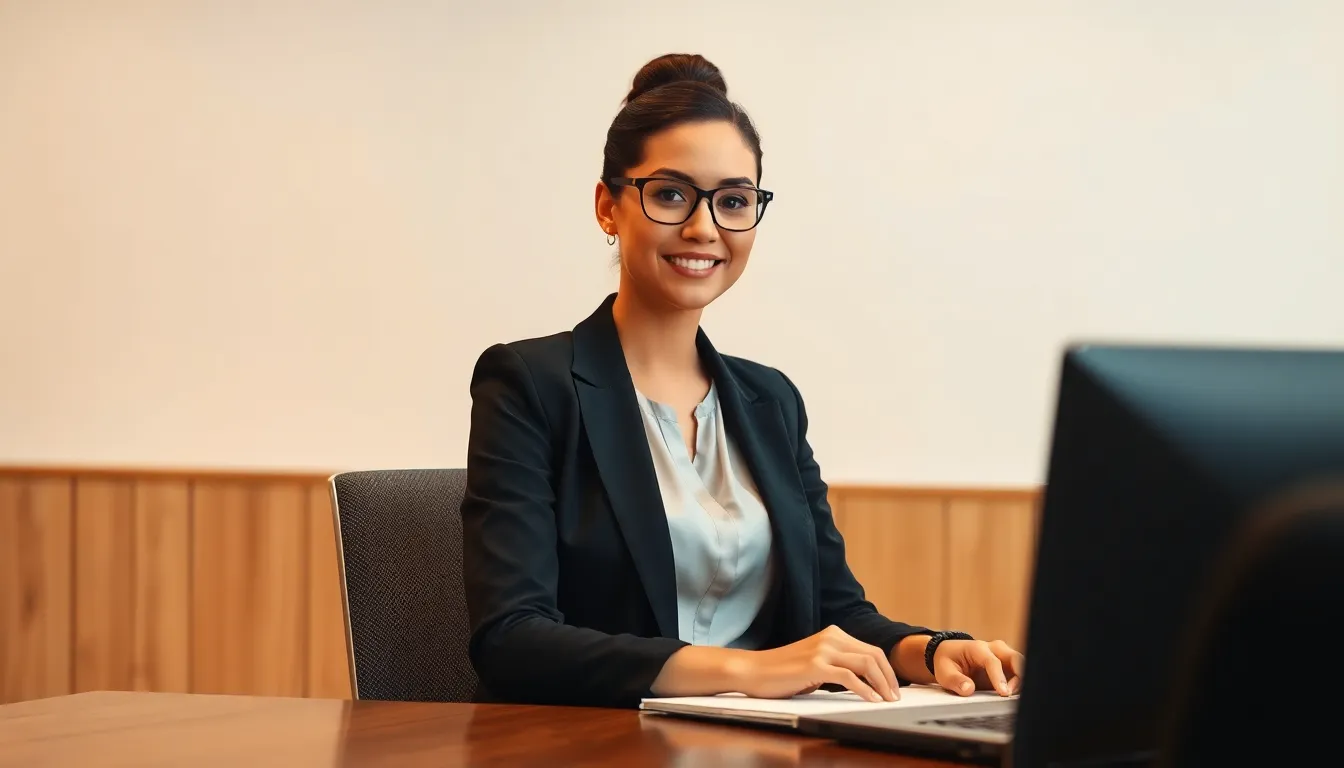
Your outfit color choices speak volumes before you even say a word. Research shows that colors trigger psychological responses within seconds, influencing how interviewers perceive your competence and character.
Power Colors That Command Respect
Black establishes immediate authority and conveys serious professionalism in any interview setting. We recommend incorporating black through well-customized suits or sophisticated separates when you want to project confidence and command respect. This classic color works exceptionally well in conservative industries like finance, law, and corporate environments.
Navy blue builds trust and communicates stability while maintaining approachable professionalism. Studies indicate that navy creates feelings of reliability and competence in viewers, making it an excellent choice for leadership positions. Pairing navy suits with lighter blouses creates a balanced look that’s both commanding and welcoming.
Charcoal gray demonstrates sophistication and practical wisdom without appearing overly intense. This versatile power color works across industries and conveys dependability while allowing your personality to shine through accessories and styling choices.
Neutral Tones for Versatile Professionalism
Light colored blouses in white, cream, or pale blue soften powerful suit colors and communicate clarity and approachability. These shades create visual balance when paired with darker blazers while maintaining crisp professionalism throughout long interview days.
Beige and taupe offer sophisticated alternatives that work beautifully in business casual environments. These warm neutrals convey reliability and adaptability, particularly effective for roles requiring client interaction or team collaboration.
Soft gray tones provide modern elegance without overwhelming your overall presentation. We find these shades particularly effective for creative industries where you want to appear professional yet approachable.
Colors to Avoid in Interview Settings
Bright neon colors distract from your qualifications and can appear unprofessional in traditional business settings. Colors like electric pink, lime green, or vibrant orange pull focus away from your skills and toward your clothing choices.
Excessive red can trigger feelings of aggression or intensity that may work against you in collaborative environments. While burgundy or deep wine shades work well as accent colors, avoid bright red as your primary outfit color.
Flashy patterns and busy prints overwhelm interviewers and create visual chaos that detracts from your message. We recommend avoiding animal prints, loud florals, or geometric patterns that compete for attention with your professional presentation.
Accessory Guidelines That Complete Your Professional Look
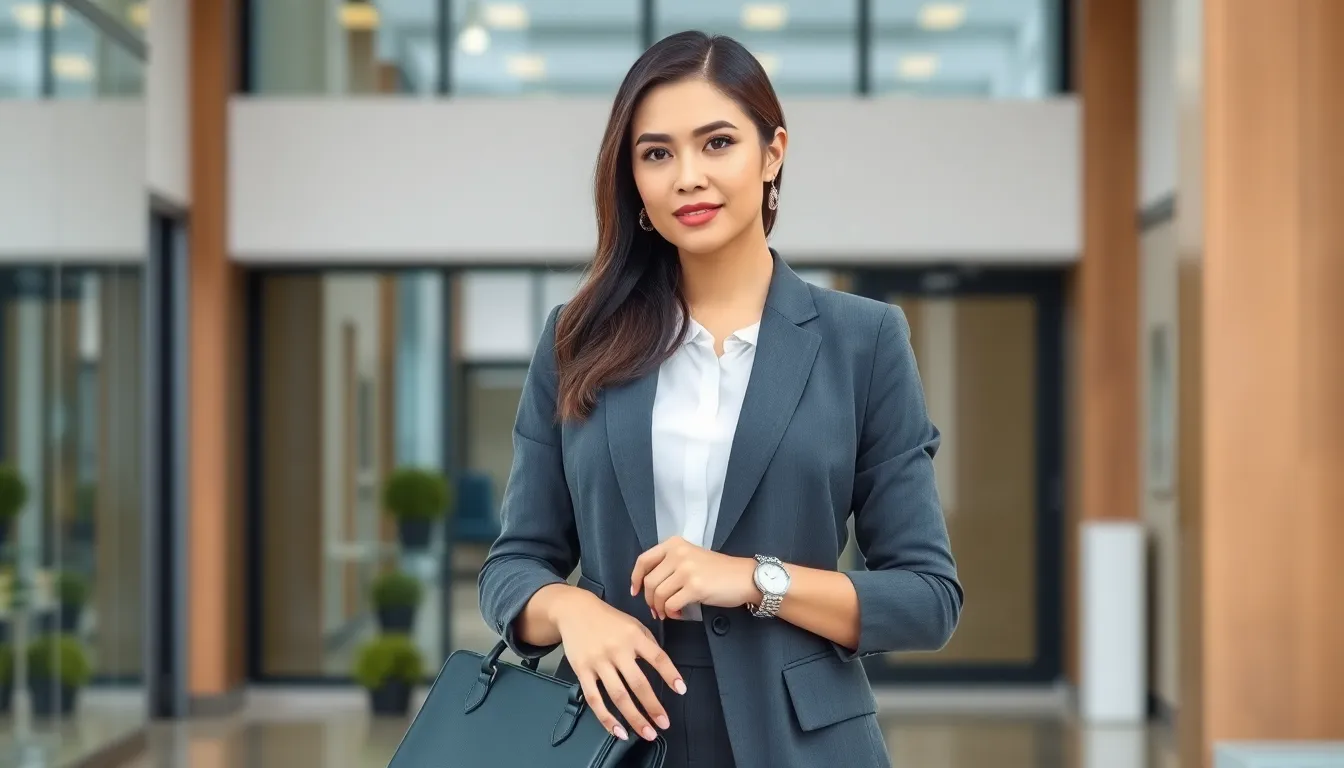
We believe that carefully chosen accessories can elevate your interview outfit from good to exceptional. The right accessories demonstrate attention to detail and complete your professional appearance without overwhelming your overall look.
Choosing Appropriate Jewelry and Watches
Simple jewelry pieces create the most polished professional appearance for interviews. We recommend sticking to classic stud earrings, a delicate chain necklace, or a single sophisticated bracelet to maintain an understated elegance. Avoid chunky statement pieces, multiple rings, or dangling earrings that might distract interviewers from your qualifications.
Classic watches serve as both functional and stylish accessories that enhance your professional credibility. Consider a leather or metal band timepiece in neutral tones like black, brown, or silver to complement any outfit color. We suggest avoiding sports watches or overly casual timepieces that might undermine your polished appearance.
Minimal approach works best when selecting jewelry for conservative industries like finance or law. Keep metallic tones consistent throughout your accessories to create a cohesive look that appears intentional and well planned. Remember that your jewelry should complement your outfit rather than compete with it for attention.
Professional Handbag and Portfolio Selection
Structured handbags project confidence and organizational skills that interviewers notice immediately. We recommend choosing a medium sized bag in neutral colors like black, brown, or beige that can accommodate your resume, business cards, and essential items. Avoid oversized totes or trendy bags with excessive hardware that might appear unprofessional.
Sleek portfolios offer a sophisticated way to carry your documents while making a strong first impression. Look for leather or high quality faux leather options with clean lines and minimal embellishments. We suggest portfolios with interior pockets to keep your materials organized and easily accessible during the interview.
Coordinating your handbag with your shoes creates a polished, intentional appearance that demonstrates style awareness. Choose bags with comfortable straps since you’ll likely be carrying them for extended periods during your interview day. Quality materials like genuine leather or durable synthetic alternatives ensure your accessories maintain their professional appearance over time.
Footwear That Balances Comfort and Style
Low heeled pumps remain the gold standard for interview footwear because they combine professionalism with comfort. We recommend heel heights between 1 to 2 inches to ensure you can walk confidently throughout your interview day. Choose closed toe styles in neutral colors that coordinate with your outfit and handbag selection.
Professional loafers offer an excellent alternative for candidates who prefer flat shoes or work in more casual industries. Select styles with minimal embellishments and quality construction that won’t show wear after extended walking. We suggest leather or leather like materials that can be polished to maintain a crisp appearance.
Comfortable flats work well for creative industries or when you know you’ll be doing extensive walking during facility tours. Ensure your flats have structured soles and quality materials that won’t look worn or casual during your interview. Avoid ballet flats or overly casual options that might undermine your professional presentation.
Weather appropriate footwear demonstrates practical thinking that interviewers appreciate. Bring backup shoes if rain or snow might affect your primary choice, and always test walk in new shoes before your interview day. We recommend having your shoes professionally cleaned or polished to ensure they complement your carefully planned interview outfit perfectly.
Grooming and Styling Tips to Perfect Your Interview Appearance
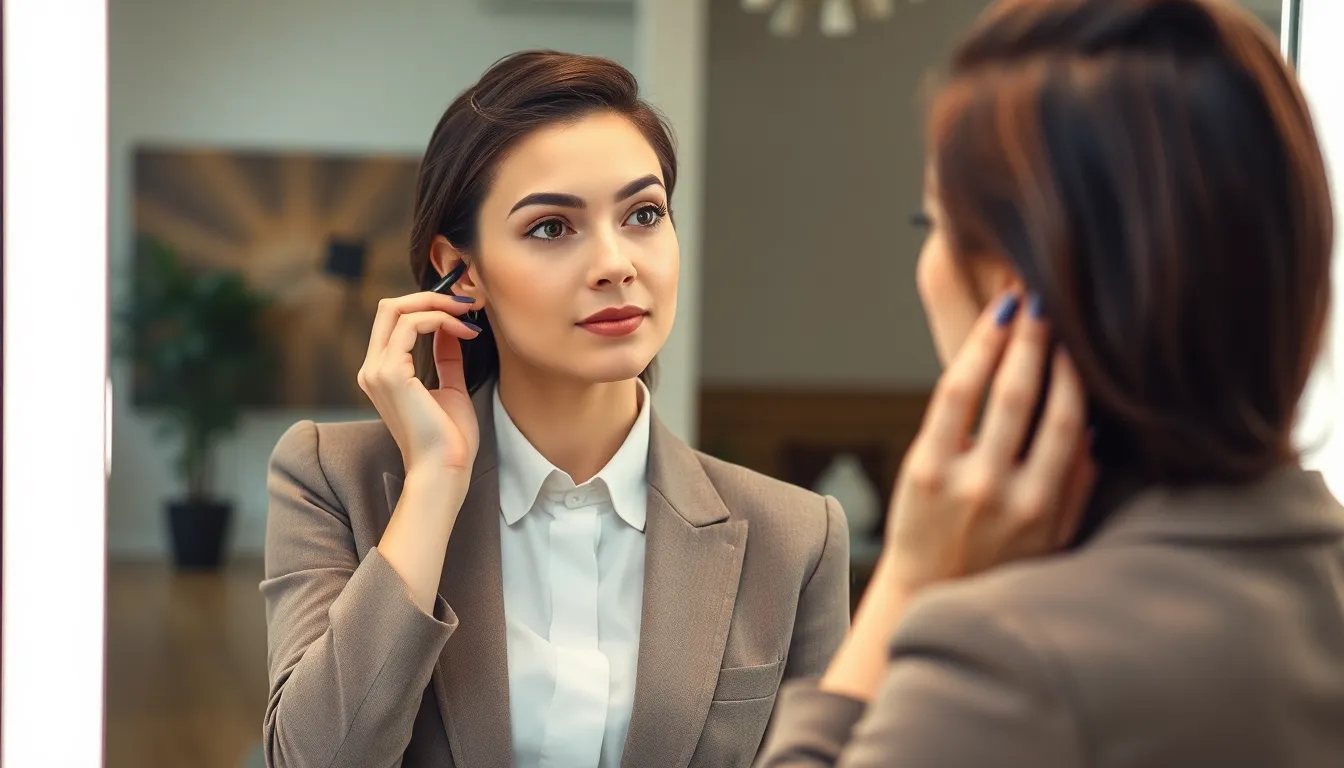
Your personal grooming choices can make or break your professional image during interviews. Let’s explore the essential beauty and styling elements that complement your carefully chosen outfit.
Hair and Makeup for Professional Settings
Maintain a polished hairstyle that frames your face beautifully. Whether you choose to wear your hair up or down, ensure it looks neat and well-maintained throughout the interview process. Sleek ponytails, professional buns, and smooth blowouts consistently create strong impressions across all industries.
Apply makeup with a light hand to enhance your natural features. Subtle foundation, neutral eyeshadows, and classic mascara help you look put-together without appearing overdone. We recommend avoiding overly bright or bold makeup colors that might distract from your qualifications and professional demeanor.
Focus on creating a fresh, natural appearance that photographs well. Since many interviews now include video components or professional headshots, your makeup should translate beautifully across different lighting conditions. Soft browns, muted pinks, and classic nude tones work exceptionally well for professional settings.
Nail Care and Polish Considerations
Keep your nails clean and well-groomed to demonstrate attention to detail. Short to medium-length nails with smooth edges project professionalism and practicality in workplace environments. Regular manicures ensure your hands look polished during handshakes and document handling.
Choose neutral or soft nail polish shades that complement your outfit choices. Classic options like clear coat, nude pink, soft beige, and light coral enhance your professional appearance without overwhelming your overall look. These versatile colors work seamlessly with any interview outfit you’ve selected.
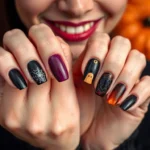
Avoid bright or distracting nail colors that might draw attention away from your conversation. Neon shades, bold metallics, and dramatic art designs can appear unprofessional in conservative interview settings. When in doubt, opt for a classic French manicure or clear polish to maintain a sophisticated appearance.
Fragrance Guidelines for the Workplace
Use light, fresh fragrances sparingly to avoid overwhelming others in close quarters. A subtle scent can enhance your confidence, but remember that interview rooms are often small spaces where strong fragrances become concentrated. Apply fragrance to pulse points at least 30 minutes before your interview.
Consider skipping perfume altogether if you’re unsure about the company’s fragrance policies. Many workplaces maintain scent-free environments to accommodate employees with allergies or sensitivities. Fresh, clean skin often makes a better impression than any artificial fragrance.
Test your fragrance choice beforehand to ensure it doesn’t clash with your outfit’s fabric or accessories. Some scents can interact with certain materials or cause staining on light-colored clothing. We suggest applying your chosen fragrance during a practice interview session to gauge its appropriateness and longevity.
Common Interview Outfit Mistakes to Avoid

Even with the best intentions and careful planning, certain outfit choices can undermine your professional image and distract from your qualifications.
Inappropriate Fit and Sizing Issues
Wearing clothes that are too tight or too loose sends a negative message about your attention to detail and professional standards. Well-fitted garments are essential to look polished and professional, as they demonstrate that you’ve invested time and effort into your appearance. Blazers should allow comfortable arm movement without pulling across the back or shoulders. Pants and skirts need to sit properly at your waist without bunching or gaping. Blouses should lay smoothly against your body without straining at the buttons or swimming around your frame.
Investing in proper tailoring transforms even affordable pieces into professional-looking garments that enhance your confidence. A tailor can adjust sleeve lengths, hem pants to the perfect length, and take in or let out seams for a custom fit. This attention to fit shows respect for the interview process and demonstrates your commitment to presenting yourself professionally.
Overly Trendy or Revealing Clothing Choices
Bright colors, busy patterns, overly trendy pieces, and revealing outfits distract from qualifications and can be perceived as unprofessional in interview settings. These choices shift focus away from your skills and experience, potentially creating barriers to success. Mini skirts, low-cut tops, or sheer fabrics aren’t appropriate for professional interviews regardless of current fashion trends. Bold patterns like animal prints or neon colors can overwhelm your message and make it difficult for interviewers to focus on your responses.
Sticking to classic, conservative pieces ensures your outfit enhances rather than detracts from your professional presentation. Neutral colors like navy, black, gray, and white create a sophisticated foundation that won’t date your appearance or clash with office environments. These timeless choices demonstrate your understanding of professional norms and show respect for the company culture.
Neglecting Proper Garment Care and Maintenance
Wrinkled, stained, or worn-out clothes undermine the effort put into interview preparation and can harm the critical first impression you’re working to create. Clothes must be clean, well-maintained, and neatly pressed to project competence and attention to detail. A wrinkled shirt or stained blazer suggests carelessness that interviewers might associate with your work quality. Worn-out shoes with scuffed leather or frayed fabric items signal that you haven’t prioritized your professional appearance.
Preparing your interview outfit at least 24 hours in advance allows time for proper care and any necessary adjustments or replacements. Steam or iron your clothes the night before to ensure crisp lines and a polished appearance. Check for loose buttons, small tears, or other issues that need attention before your interview day. This preparation prevents last-minute wardrobe emergencies and ensures you’ll feel confident and put-together when you walk into that interview room.
Budget-Friendly Ways to Build Your Interview Wardrobe
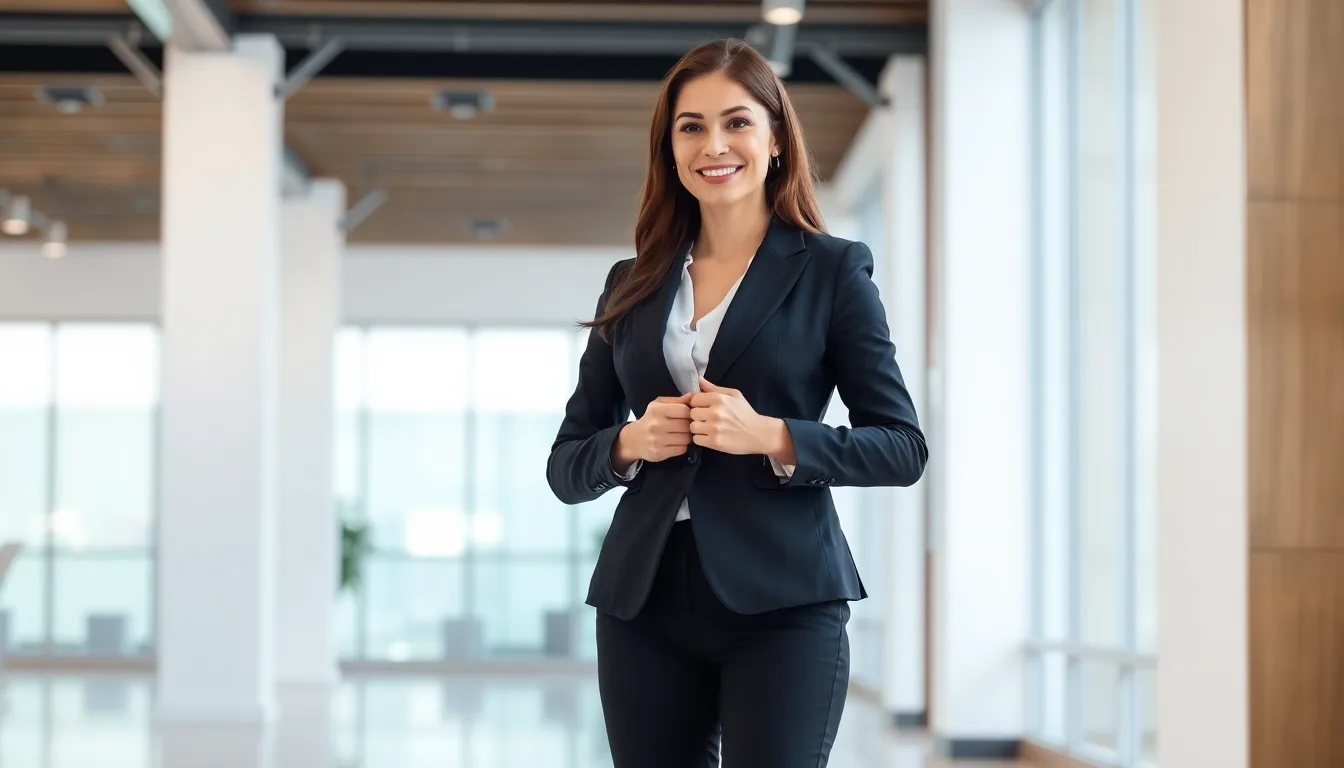
Building a professional wardrobe doesn’t require very costly. We’ll show you how to create a versatile collection of interview-ready pieces that maximizes your investment while maintaining the polished appearance employers expect.
Shopping Smart for Quality Professional Pieces
Quality trumps quantity when building your interview wardrobe on a budget. We recommend investing in fewer, higher-quality pieces that’ll last longer and maintain their professional appearance through multiple wears and washes.
Neutral colors like black, navy, gray, and earth tones should be your foundation. These versatile shades work across business formal and business casual settings while offering endless mixing and matching possibilities.
Fabric selection makes a important difference in both appearance and maintenance costs. Choose wrinkle-resistant materials that require minimal ironing and maintain their shape throughout long interview days.
Fit matters more than price tags when creating a professional impression. A well-customized inexpensive blazer looks more polished than an expensive one that doesn’t fit properly, so consider alteration costs when shopping.
Thrift stores and outlet malls offer excellent opportunities to find quality professional pieces at fraction of retail prices. Secondhand shopping often yields designer blazers, dress pants, and blouses that’ve been gently worn.
Seasonal sales at department stores typically offer 40-70% discounts on professional wear. We suggest timing your purchases around end-of-season clearances to maximize savings.
Mixing and Matching for Maximum Versatility
Capsule wardrobes built around essential pieces create multiple outfit combinations from minimal items. Start with one blazer, two skirts, two pants, and several blouses in coordinating neutral colors.
Layering techniques extend your wardrobe’s versatility across seasons and dress codes. A single blazer can transform casual pieces into business appropriate outfits, while cardigans soften formal looks for business casual environments.
Accessories add variety without additional clothing purchases. Scarves, belts, and jewelry can completely change an outfit’s appearance while staying within professional boundaries.
Color coordination ensures every piece works together seamlessly. Stick to a cohesive color palette where each item complements at least three others in your wardrobe.
Planning ahead saves time and reduces stress on interview mornings. Create complete outfits including shoes and accessories, then photograph them for quick reference when getting ready.
Versatile basics like well-fitted dress pants work for both business casual and formal settings depending on styling. Pair them with blazers for conservative interviews or cardigans for relaxed workplace cultures.
Rental and Borrowing Options for Special Occasions
Professional clothing rental services offer designer suits and outfits at 20-30% of retail prices for one-time high-stakes interviews. These services provide access to premium brands without the investment commitment.
Borrowing from friends and family can elevate your look without additional expenses. Ask to borrow blazers, shoes, or accessories that complement pieces you already own.
Community programs in many areas provide professional attire lending services for job seekers facing financial constraints. Local nonprofit organizations often maintain closets specifically for interview clothing.
University career centers frequently offer professional attire loans for students and recent graduates. These programs understand the financial challenges of starting careers and provide quality pieces at no cost.
Online rental platforms specialize in professional wear rentals, offering everything from complete suit sets to individual blazers and dresses. Most provide cleaning services and damage protection for worry-free borrowing.
Workplace mentorship programs sometimes include wardrobe guidance and lending opportunities. Professional mentors often share clothing items with mentees preparing for important interviews or networking events.
Conclusion
Mastering interview attire isn’t just about looking professional—it’s about feeling confident and ready to showcase your qualifications. We’ve explored everything from researching company culture to building a versatile wardrobe that works across different industries and budgets.
Remember that the perfect interview outfit should reflect both your personal style and the company’s expectations. Whether you’re dressing for a conservative corporate environment or a creative startup you now have the tools to make strategic choices that support your career goals.
Your interview outfit is an investment in your professional future. Take time to plan ahead try on your chosen look and ensure every detail from fit to grooming supports the confident capable impression you want to make. With these strategies you’re ready to walk into any interview knowing you look and feel your absolute best.
Frequently Asked Questions
What should I wear to a job interview?
The best interview outfit depends on the company culture and industry. For conservative fields, opt for a traditional suit in dark colors with a light blouse. Business casual environments allow for blazer and dress pants combinations or professional sweaters with chinos. Creative industries offer more flexibility for personal expression while maintaining professionalism through stylish blazers and modern accessories.
How important is first impression in job interviews?
First impressions are formed within 7 seconds of meeting someone and are crucial for interview success. Visual appearance accounts for 55% of face-to-face communication, influencing how interviewers perceive your competence and cultural fit. Appropriate attire can boost confidence by 23% and improve interview performance, while 73% of hiring managers remember inappropriately dressed candidates.
How do I research company dress code before an interview?
Start researching at least a week in advance using the company’s website, social media platforms, and insights from current employees. Observe the office environment if possible, analyze industry standards, and review job postings for cultural clues. Consider consulting with recruiters or HR representatives for tailored advice on appropriate interview attire.
What are essential wardrobe pieces for job interviews?
Invest in versatile blazers in classic colors (black, navy, dark gray), well-fitted dress pants and skirts, and professional blouses in light colors. These foundational pieces can be mixed and matched to create multiple professional looks. Focus on quality over quantity to maintain a polished appearance throughout the interview process.
What grooming tips should I follow for interviews?
Maintain a polished hairstyle and apply makeup subtly to enhance natural features without being distracting. Keep nails clean and well-groomed with neutral polish shades. Use light fragrances sparingly and consider workplace fragrance policies. This comprehensive grooming approach complements your outfit selection for a cohesive professional image.
What interview outfit mistakes should I avoid?
Avoid poor fit and sizing issues, as well-fitted garments convey professionalism and attention to detail. Stay away from overly trendy or revealing clothing that can distract from your qualifications. Ensure proper garment care by wearing clean, pressed, and well-maintained clothes. Prepare your outfit in advance to avoid last-minute wardrobe malfunctions.
How can I build an interview wardrobe on a budget?
Shop smart for quality pieces in neutral colors and wrinkle-resistant fabrics for versatility. Focus on fit over price and consider thrift shopping or seasonal sales. Create a capsule wardrobe with essential pieces that mix and match. Explore rental services or community programs that provide professional attire for job seekers.
What’s the difference between business professional and business casual interview attire?
Business professional includes traditional suits, blazer-dress pants combinations, and conservative dresses with blazers, suitable for formal corporate environments. Business casual allows for smart blouses with customized trousers, cardigans with pencil skirts, or professional sweaters with chinos, appropriate for more relaxed workplace cultures while maintaining professionalism.